Born in 1957 in Nairobi, Kenya, Australian artist Jane Suffield has built a distinctive artistic practice rooted in the tactile and meditative processes of textile art. Her early years in East Africa, surrounded by the continent’s vast natural reserves, instilled in her a profound connection to the rhythms and beauty of the natural world. This sensibility continues to inform her artistic vision. After moving to Australia at a young age, Suffield’s creative path evolved through explorations in drawing and painting before she discovered the expressive potential of textiles, dye, and stitch. With a background in Interior Design from the Sydney College of the Arts and studies under leading textile practitioners such as Jane Callander, Aboubakar Fofana, Julie Ryder, Isa Masayuki, and Bryan Whitehead, she brings both discipline and intuition to her work.
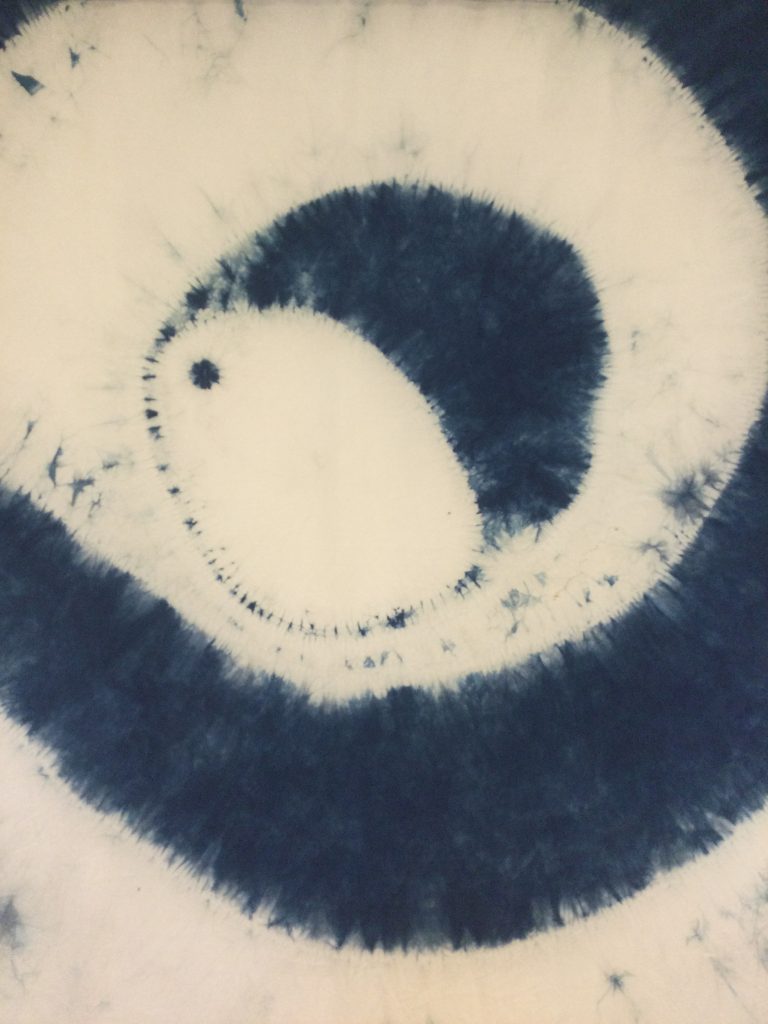
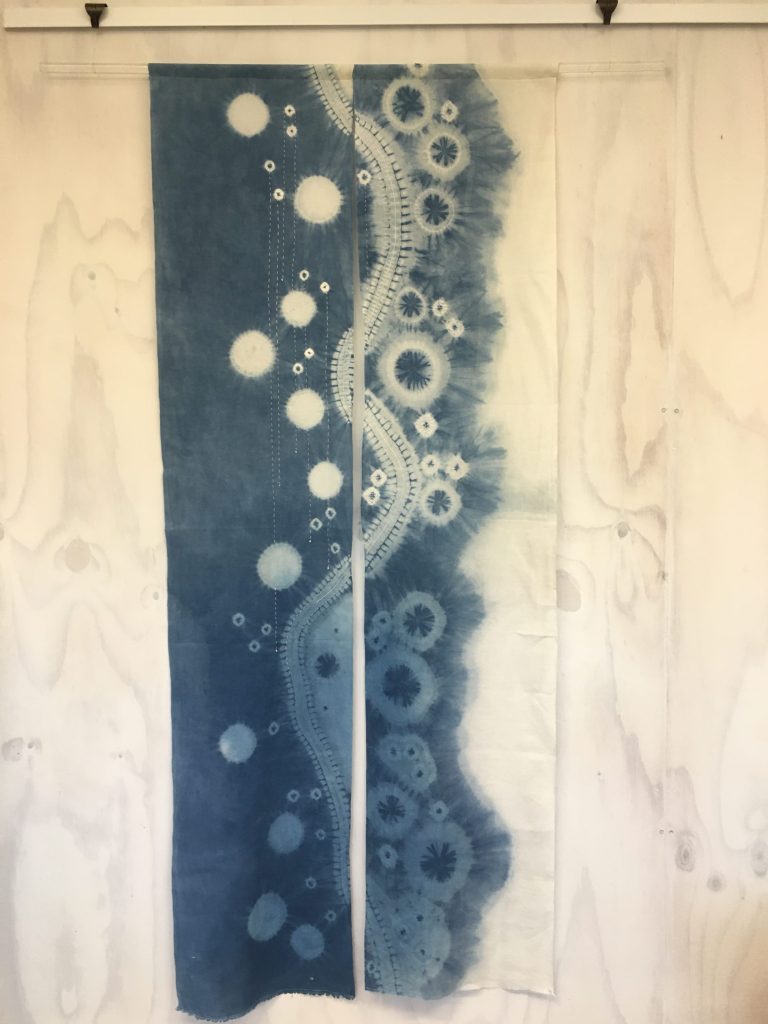
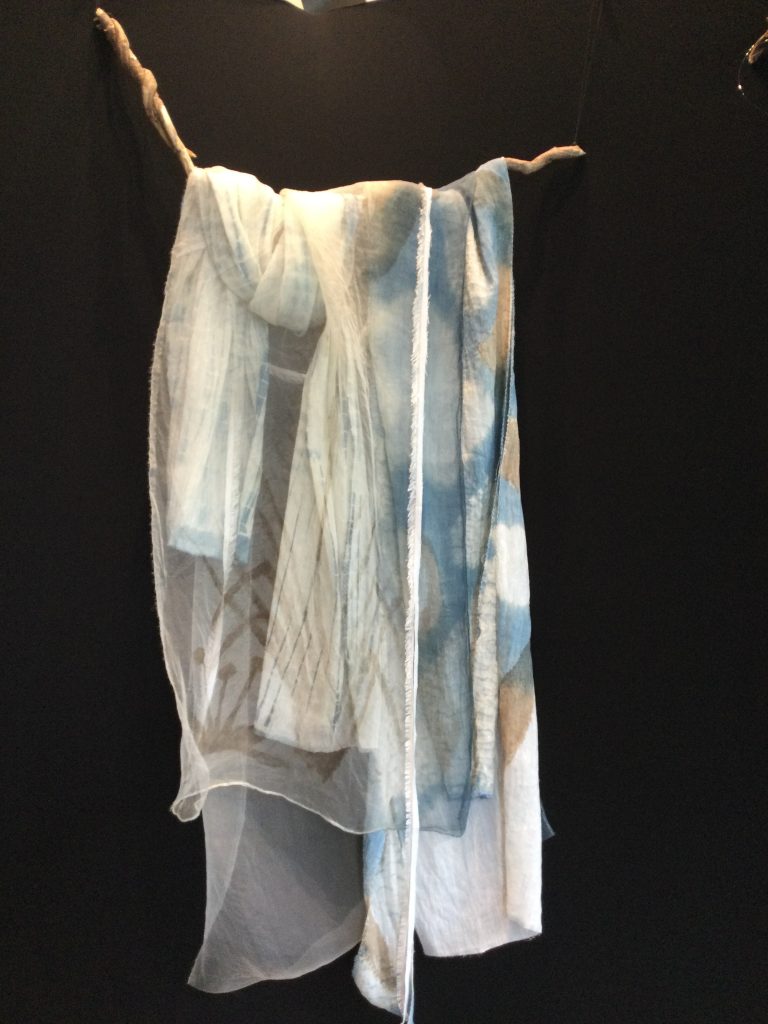
Suffield’s current series, “Vanishing: Hope, Repair and the Threads that Bind,” encapsulates her deep engagement with themes of impermanence, transformation, and renewal. Using techniques like Japanese shibori, sashiko stitching, and natural dyeing, she constructs delicate yet resonant textile compositions that speak to both fragility and resilience. Her time as an interior designer has refined her sensitivity to structure, surface, and space, which she now channels into layered textile works that blur the line between functional craft and fine art. Each piece reflects a dialogue between the material and the maker, a process that requires patience, humility, and an embrace of the unpredictability inherent in natural dyes.
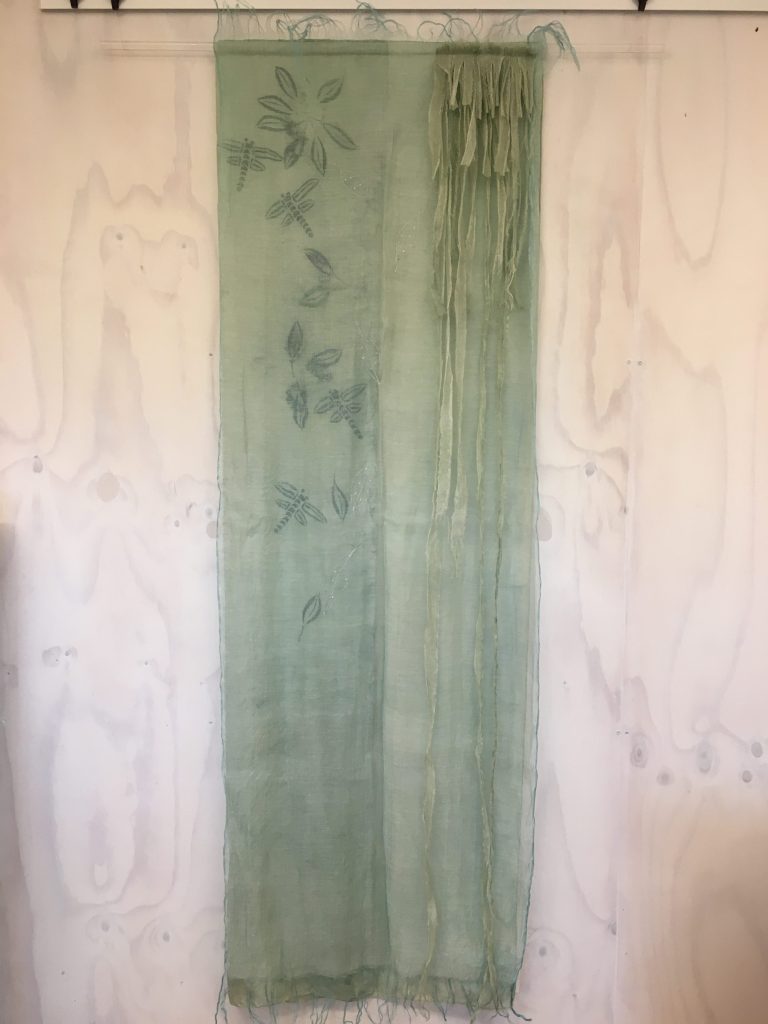
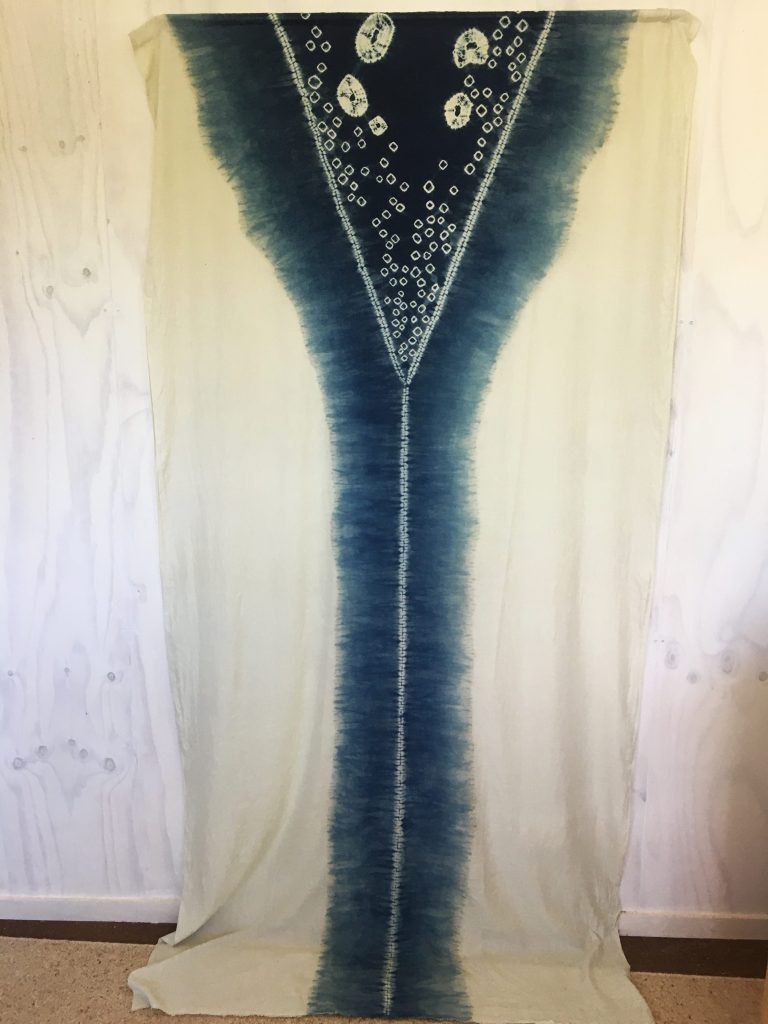
In works such as “Vanishing II” and “Vanishing III,” Suffield employs indigo and plant-based dyes to create ethereal gradients of color that evoke landscapes and emotional terrains. The soft transition from deep indigo to pale ivory in one work suggests the fading of memory or light, while the vertical symmetry hints at a spiritual axis connecting the earthly and the intangible. In another, delicate motifs of dragonflies and leaves emerge through layered transparency, symbolizing renewal and transience. These textiles carry the tactile memory of the hand, with folds, bindings, and stitched traces that echo the Japanese aesthetic of wabi-sabi, where beauty is found in imperfection and the passage of time. Her works can be read as meditations on repair, recalling the quiet philosophy of boro and kintsugi, where mending itself becomes a form of healing.
Jane Suffield’s practice occupies a meaningful space within contemporary textile art, bridging tradition and innovation, craft and conceptualism. Through her thoughtful use of natural materials and time-honored techniques, she reclaims slow, intentional making as an act of mindfulness in a fast-paced world. Her textiles, suspended between art and nature, invite contemplation of what is vanishing and what endures, the threads that bind us to place, memory, and one another.