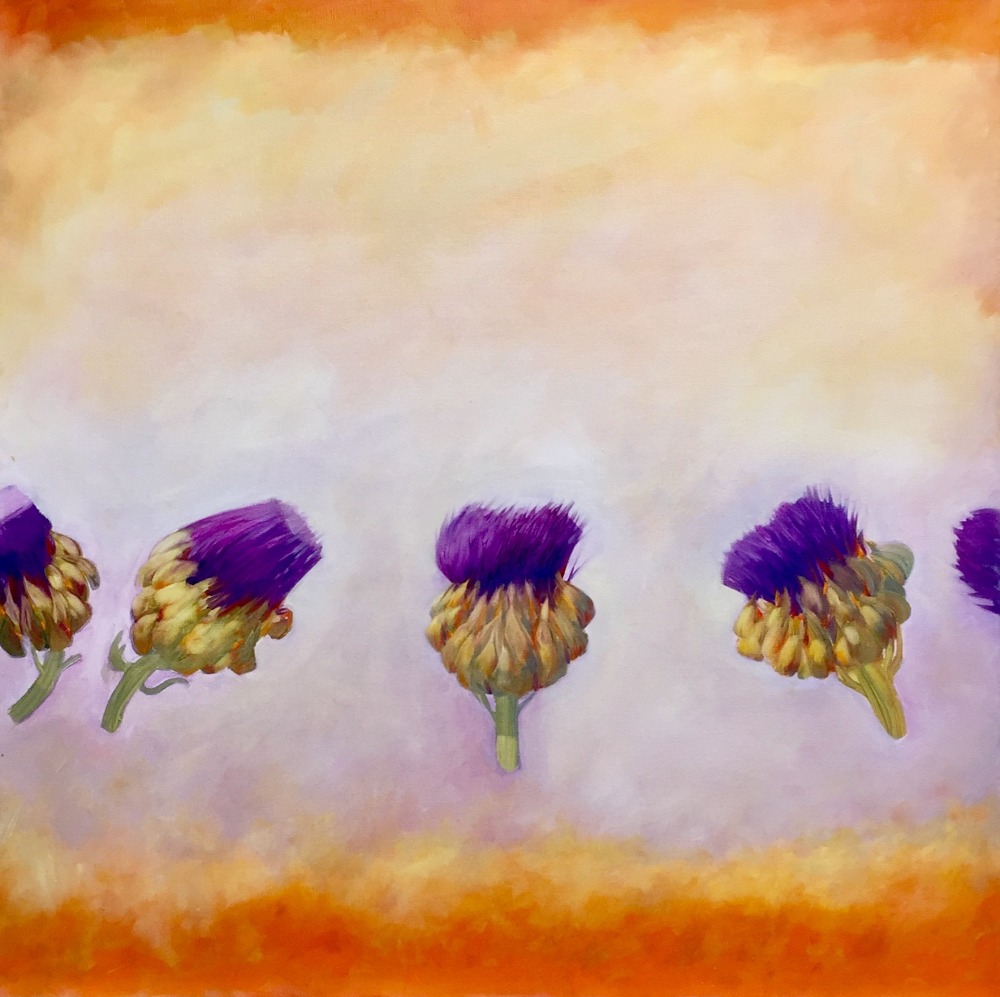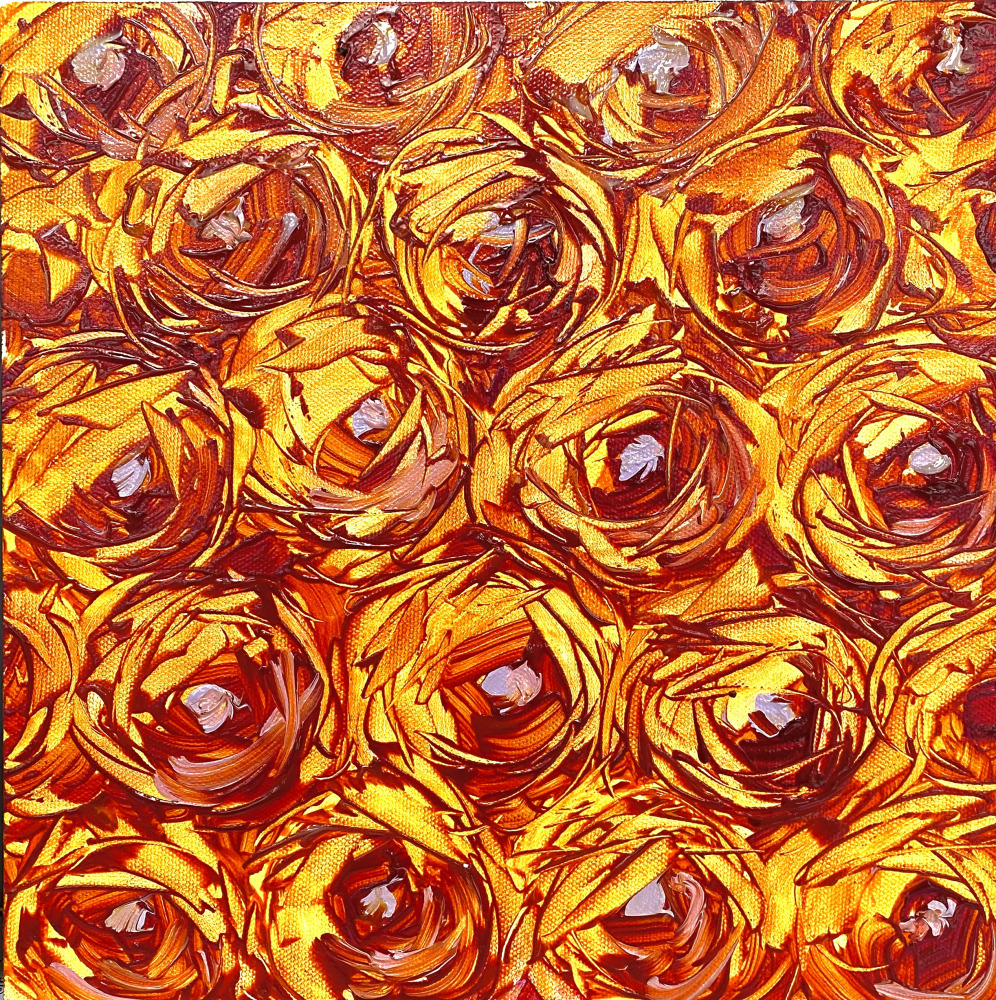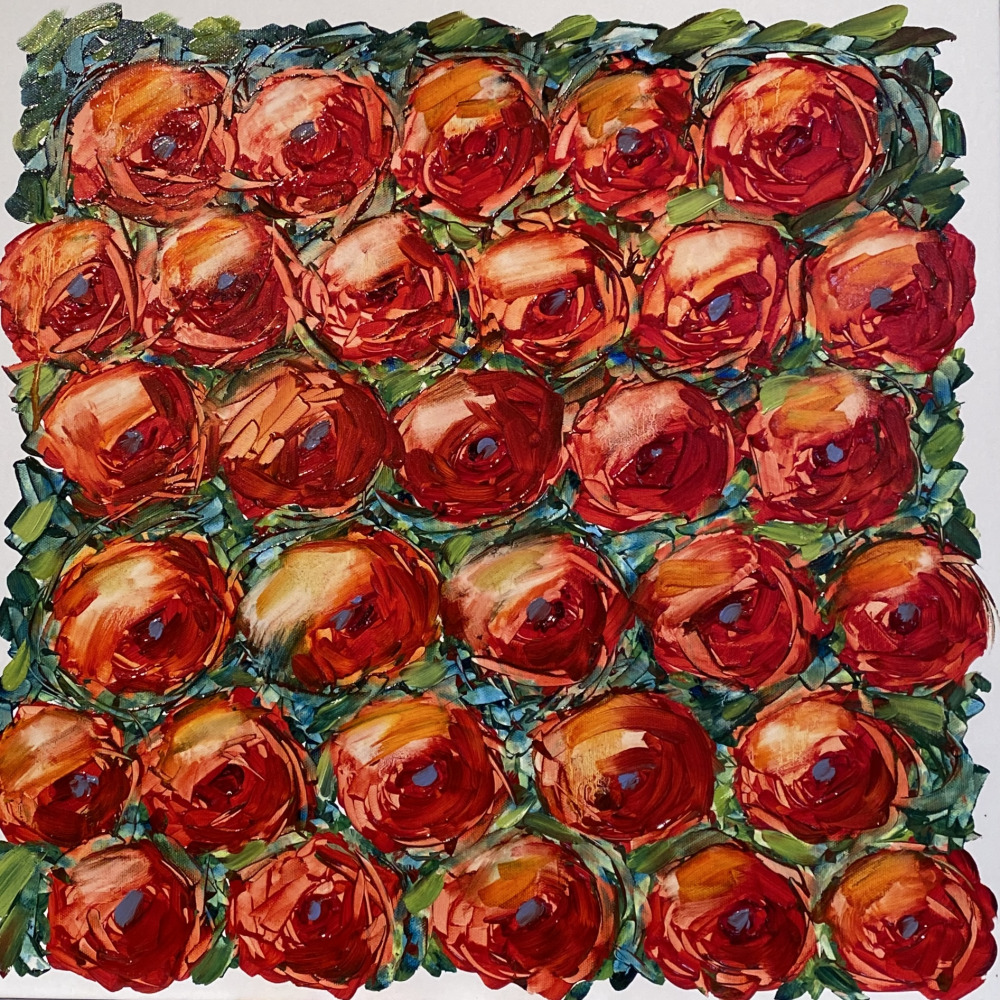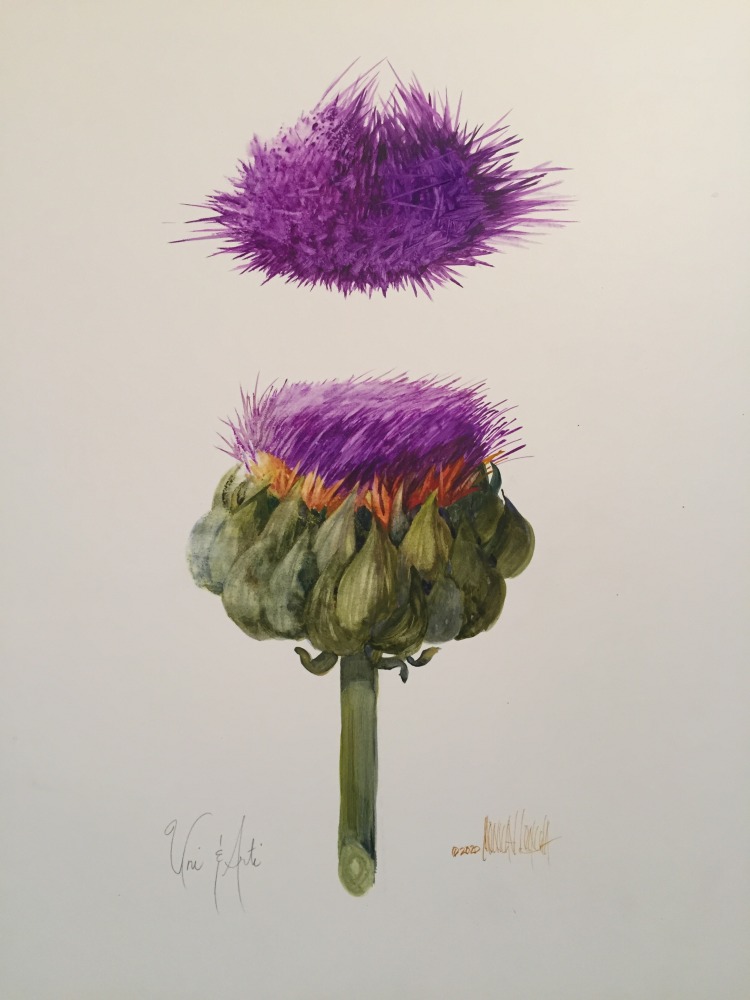
American artist Monica Loncola is a painter and illustrator whose work draws on a lifelong fascination with the natural world. Born and raised along the Atlantic coast, she developed an early habit of collecting shells, seaweed, and drifted treasures, later transforming these objects into drawings and paintings. Loncola studied Studio Arts at Rosemont College in Bryn Mawr, Pennsylvania, and has continued her training at the Art Students League of New York, Moore College of Art, and the Academy of Art University in San Francisco. She is completing a Master’s Certification in Science Illustration at California State University, Monterey Bay in 2024, further deepening her connection to observation and natural forms.
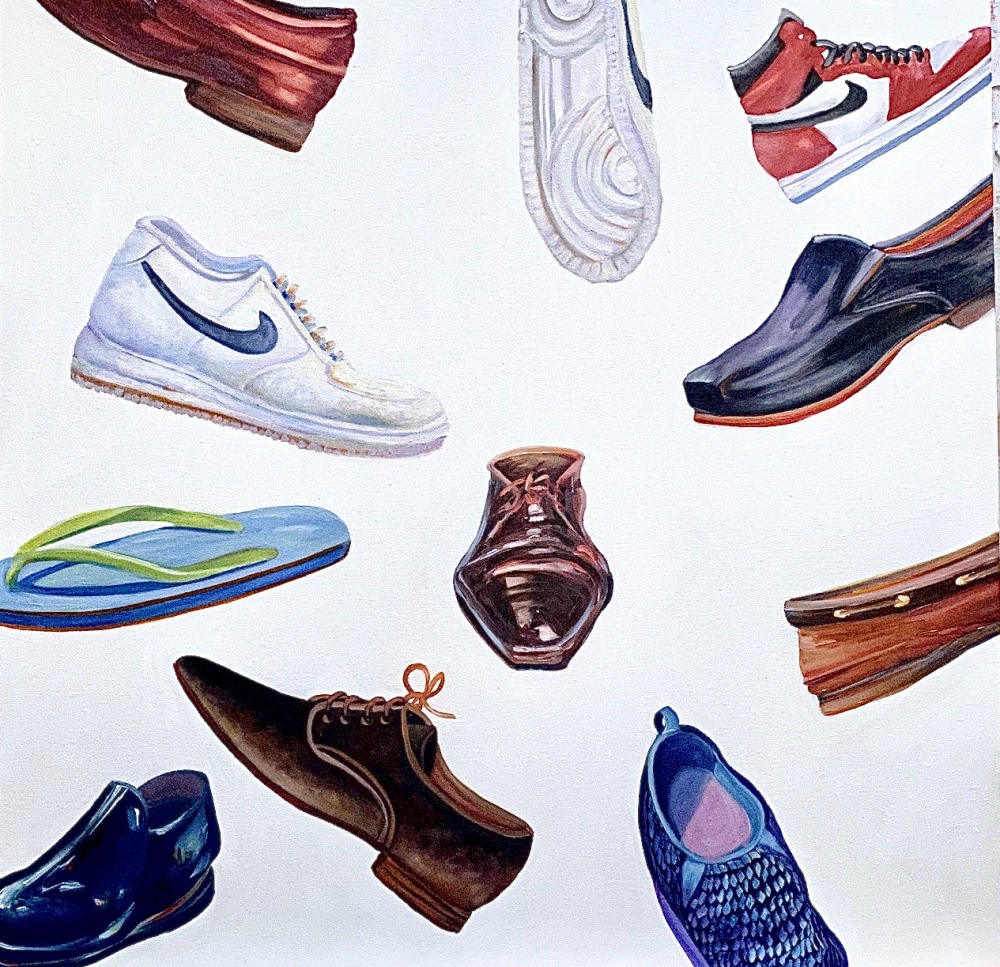
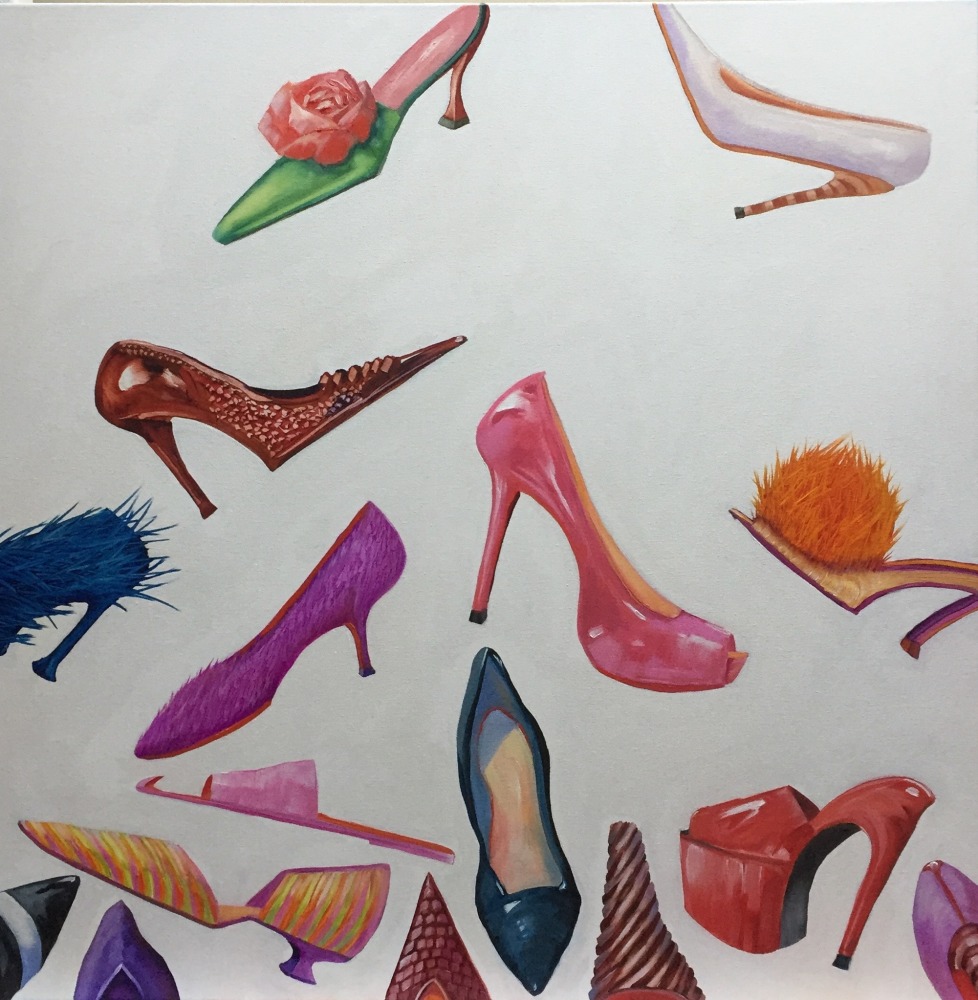
Loncola’s practice combines fine art and science illustration, with a focus on rendering subjects that carry both aesthetic and symbolic weight. She has exhibited and taught widely, serving as Department Chair at the San Domenico School in Marin County, California, and volunteering with schools and outreach programs throughout the Bay Area. Her illustrations have been featured in publications and projects including Edible Long Island and the book Imagine Shoes, as well as in music videos and media features such as a 2020 KTVU interview for her creative outreach during the pandemic. She is a member of the Guild of Natural Science Illustrators and actively contributes her work to support non-profit and cultural organizations.
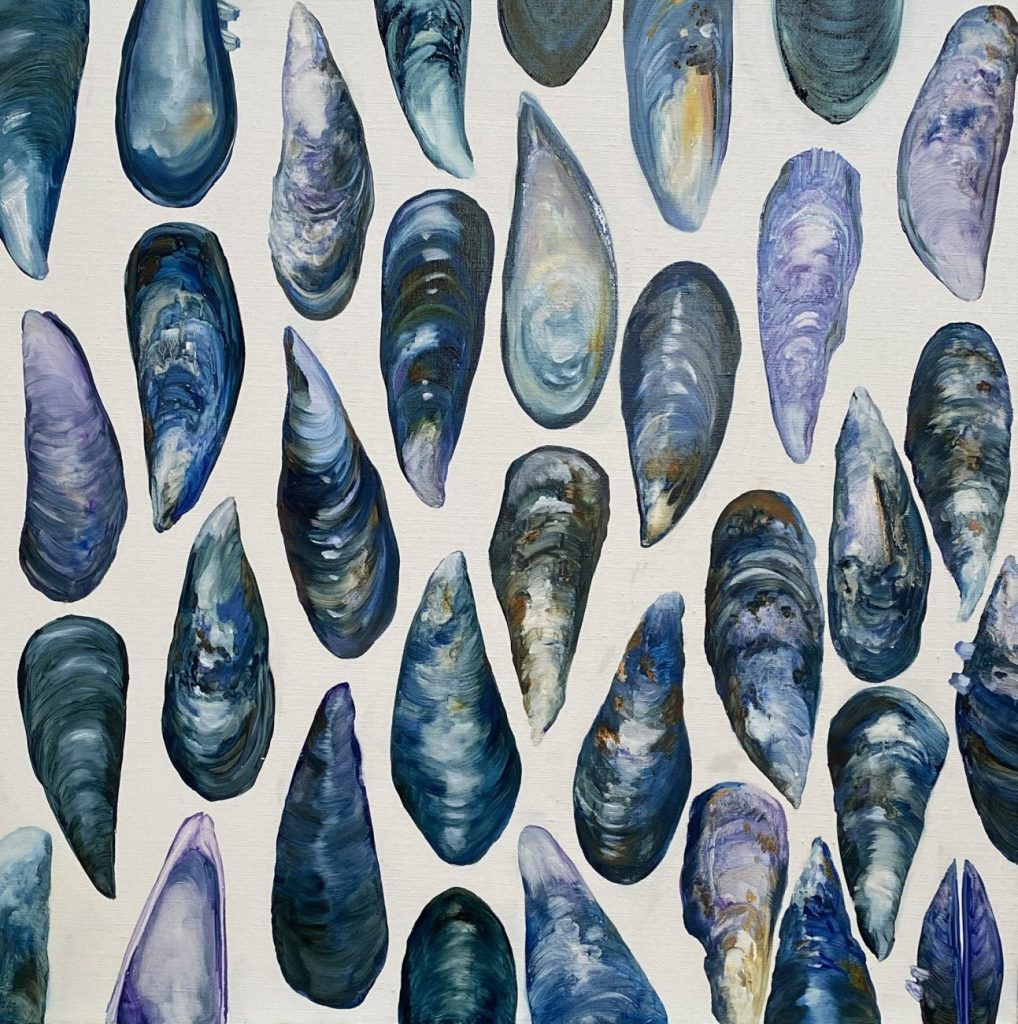
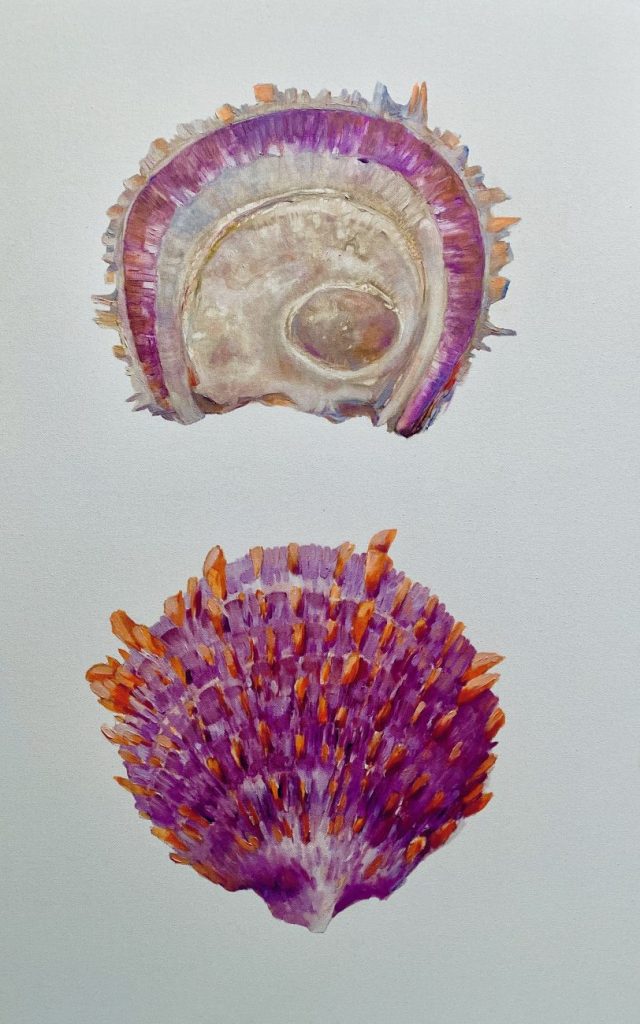
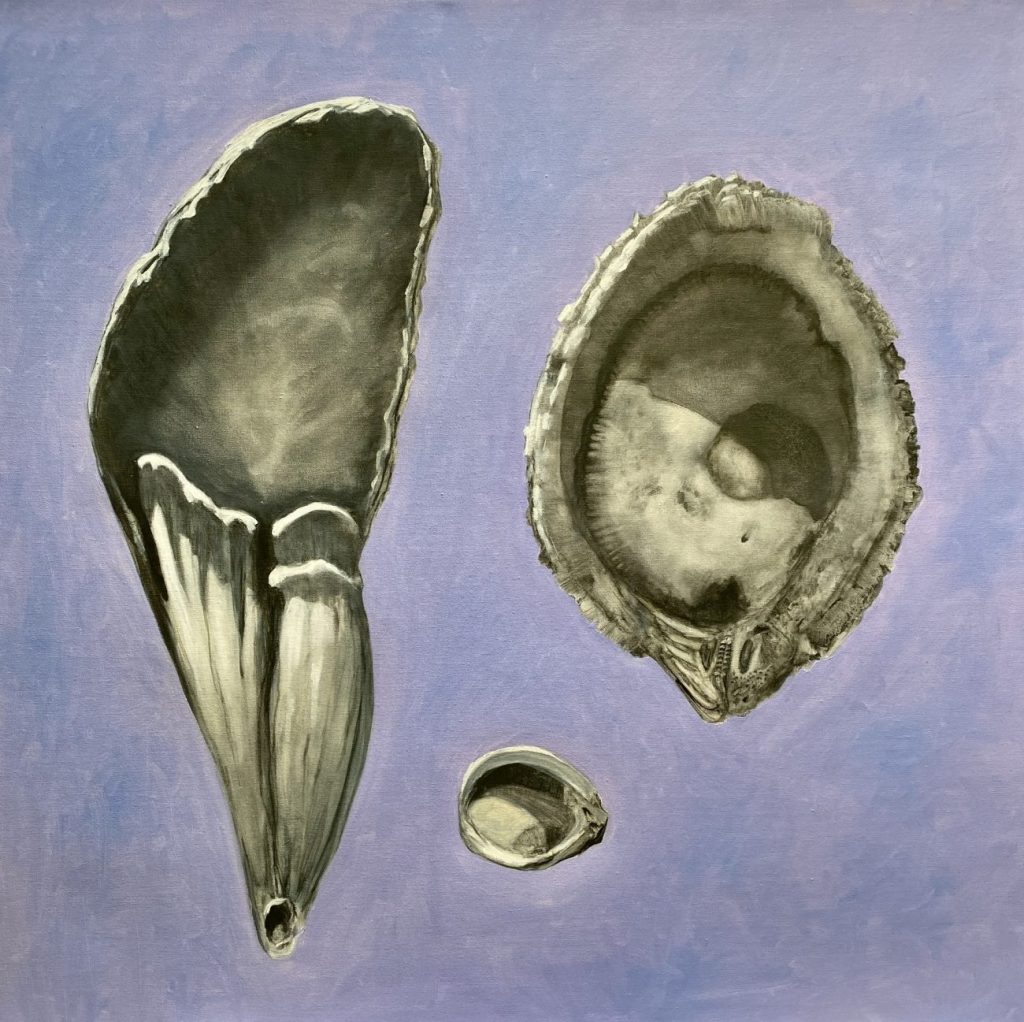
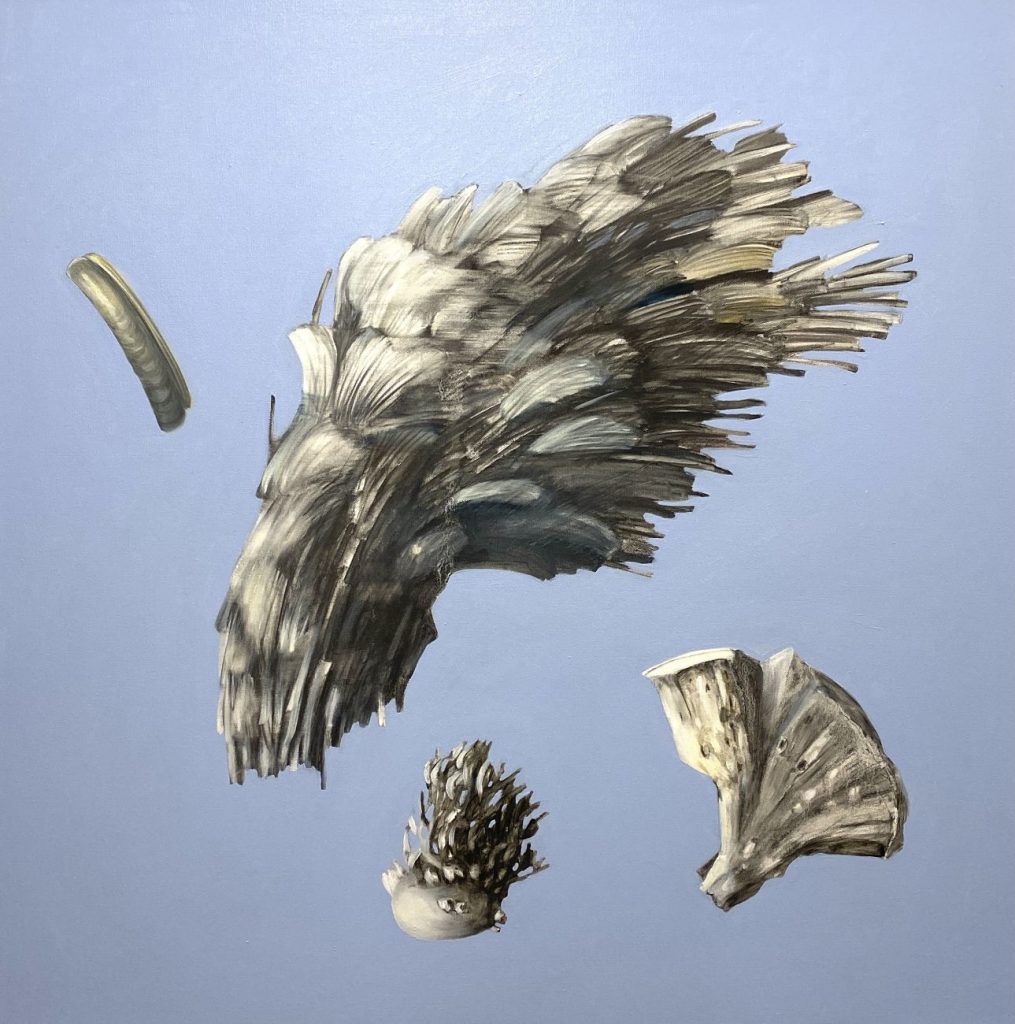
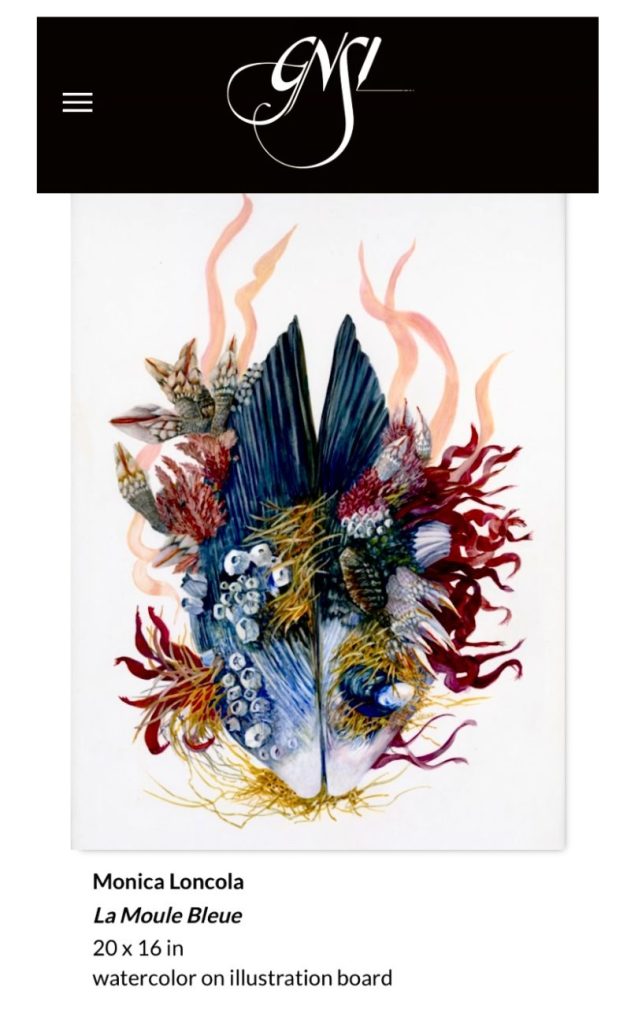
In works such as “La Moule Bleue” and “Spondylus,” Loncola captures the intricate vitality of marine life through watercolor and oil. Her detailed yet imaginative approach balances scientific precision with expressive design, layering organic textures and vivid hues that recall both the delicacy of botanical illustration and the exuberance of surreal composition. In “La Moule Bleue,” barnacles and corals radiate outward from the central form of a mussel shell, enveloped in flame-like tendrils of red and orange. The composition evokes a sense of metamorphosis, suggesting that even the most ordinary objects of the tide can contain entire ecosystems and narratives. “Spondylus,” with its vibrant violets and oranges, emphasizes structure and surface, turning a shell into a radiant icon of resilience and beauty.
What distinguishes Loncola’s work is her ability to bridge observation with imagination, creating images that are both faithful studies and deeply personal interpretations. By translating her lifelong coastal encounters into finely rendered compositions, she allows viewers to experience the natural world as something both intimate and monumental. Her practice reminds us that objects collected at the water’s edge can become vessels of memory, science, and wonder. In this, Loncola offers a visual language that resonates equally within the traditions of natural science illustration and contemporary painting.