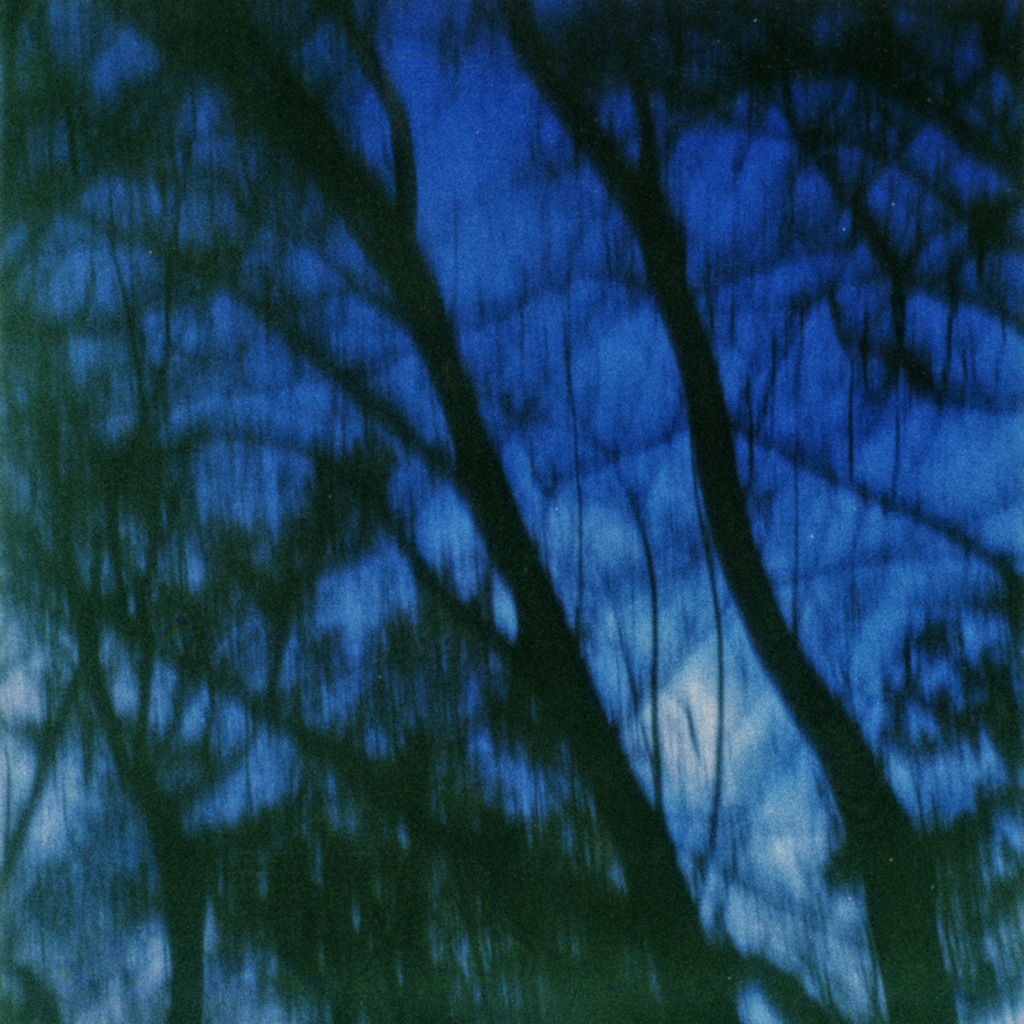

German artist Rolf Florschuetz, born in 1961, is the creative mind behind RVFphotoART // RFusionART. With a background as a Graduate Engineer in Electrical Engineering and over a decade of experience in people, event, landscape, and advertising photography, Florschuetz brings both technical precision and artistic sensitivity to his work. Formerly known for his “Passion for Black & White Photography,” his practice shifted in 2020 toward experimentation with analog cameras, intentional camera movement, and new image-making techniques, a transformation sparked during the pandemic. Today, his art bridges traditional photography and AI-assisted image creation, a process he calls FrameReCode.
Florschuetz’s FrameReCode method combines hand-captured analog or digital photographs with artificial intelligence, reimagining each frame into a layered, dreamlike visual narrative. His portfolio includes both abstract explorations and atmospheric landscapes, rendered in a spectrum of intensities from vibrant, high-saturation compositions to soft, painterly blends of light and form. His work has gained recognition through international art associations, including his role as ambassador for the International Art Association Echiquier and as a member of the ICMPhotoMag Network. Producing his own fine art prints, Florschuetz ensures each piece retains the integrity of his vision from capture to physical realization.
In works such as “GenAI-11_0_MDCA” and “Neon Mirage,” Florschuetz dissolves the boundaries between natural and synthetic image-making. Layers of color drift and merge, recalling the luminous tonal fields of Mark Rothko, yet with a distinctly photographic depth. Horizontal bands suggest distant horizons and bodies of water, but the surface is disrupted by rippling textures, evoking the subtle interference of memory and machine interpretation. The blending of deep blues, incandescent yellows, and scarlet reds transforms these landscapes into meditative thresholds, neither fully real nor entirely imagined. This aesthetic, somewhere between seascape minimalism and digital abstraction, encourages viewers to reconsider how reality is mediated through both lens and algorithm.
What makes Florschuetz’s practice particularly relevant to contemporary art is his refusal to treat technology as a mere tool. In FrameReCode, AI becomes a collaborator, extending human vision into realms unattainable by the camera alone. His work is not about mimicking reality but about expanding its possible interpretations. By merging analog imperfection with algorithmic precision, Florschuetz offers a compelling case for hybrid authorship, one that challenges entrenched ideas of authenticity while preserving the emotional resonance of the photographic act. His imagery stands as a testament to how traditional craft and emerging technology can coexist, producing works that are at once rooted in the tactile and open to the infinite possibilities of the digital.