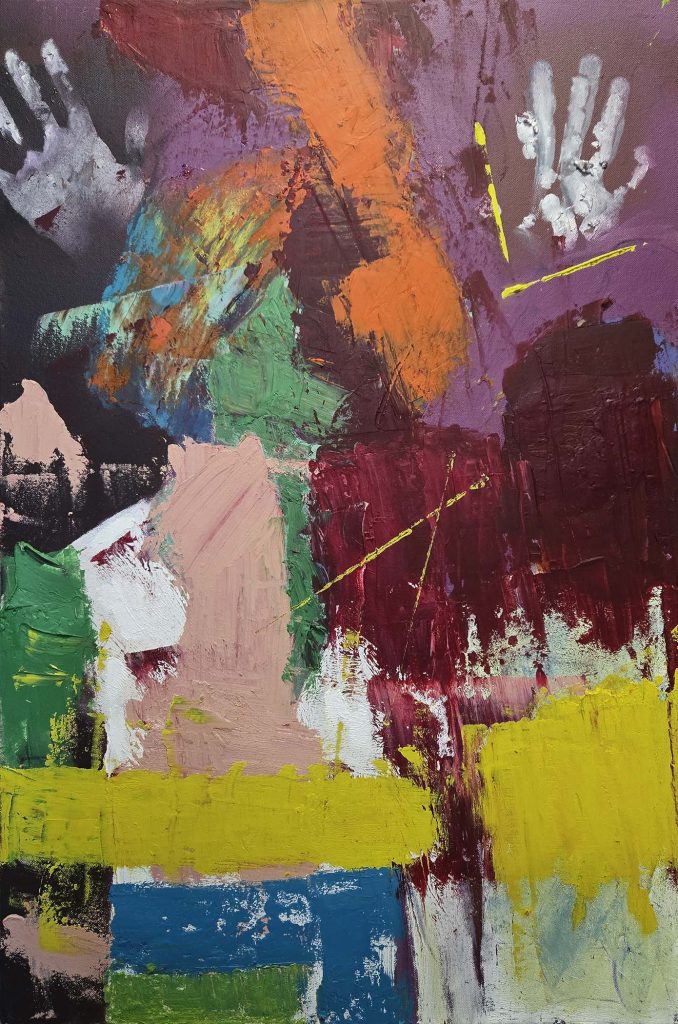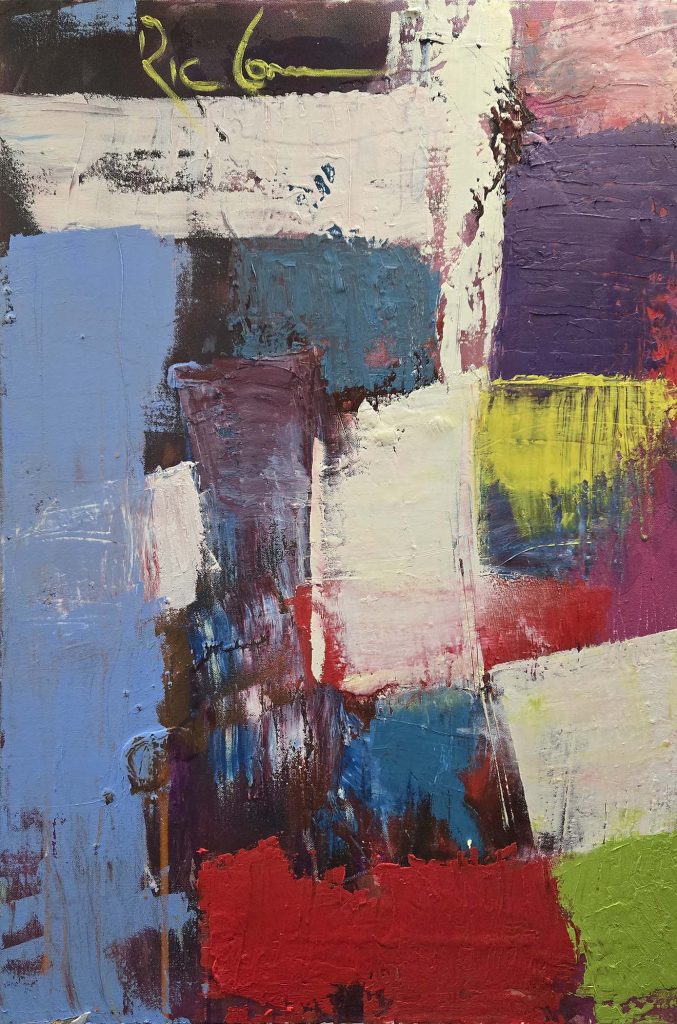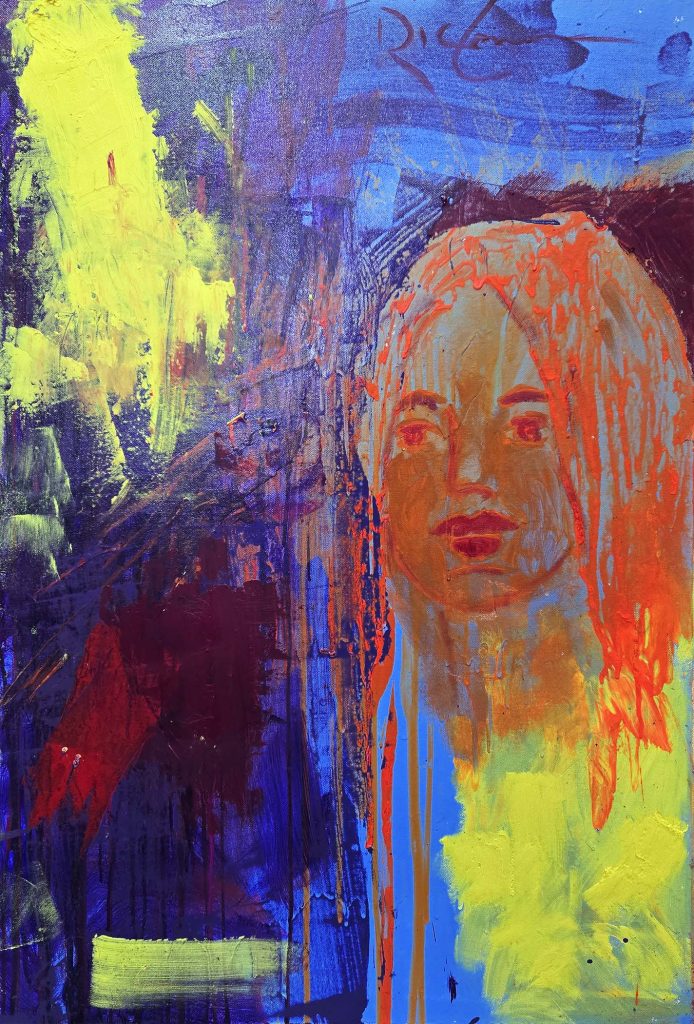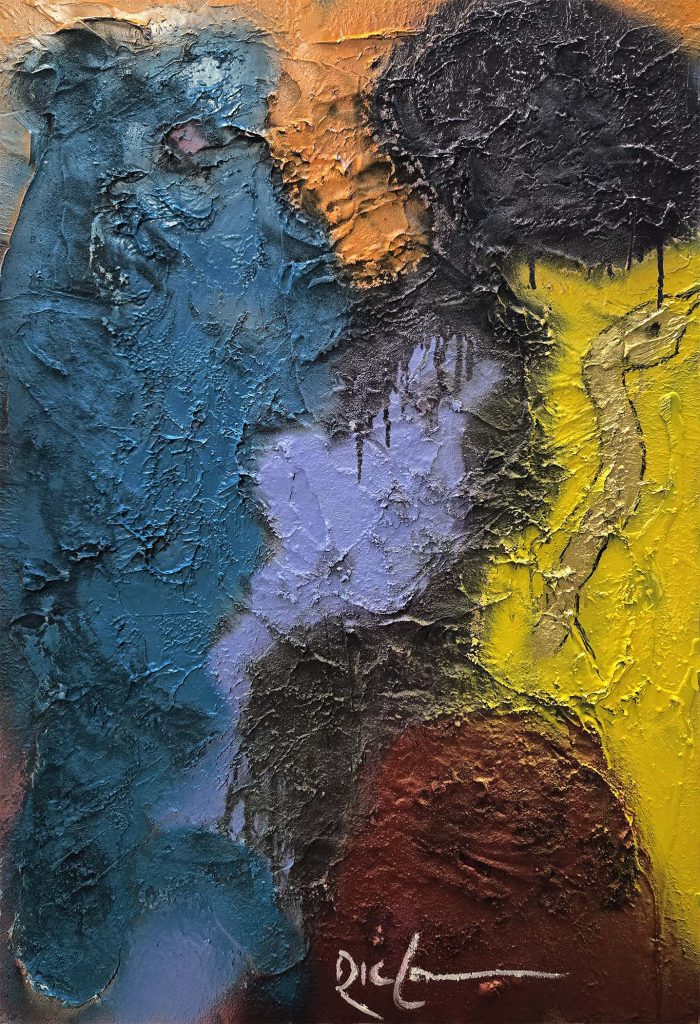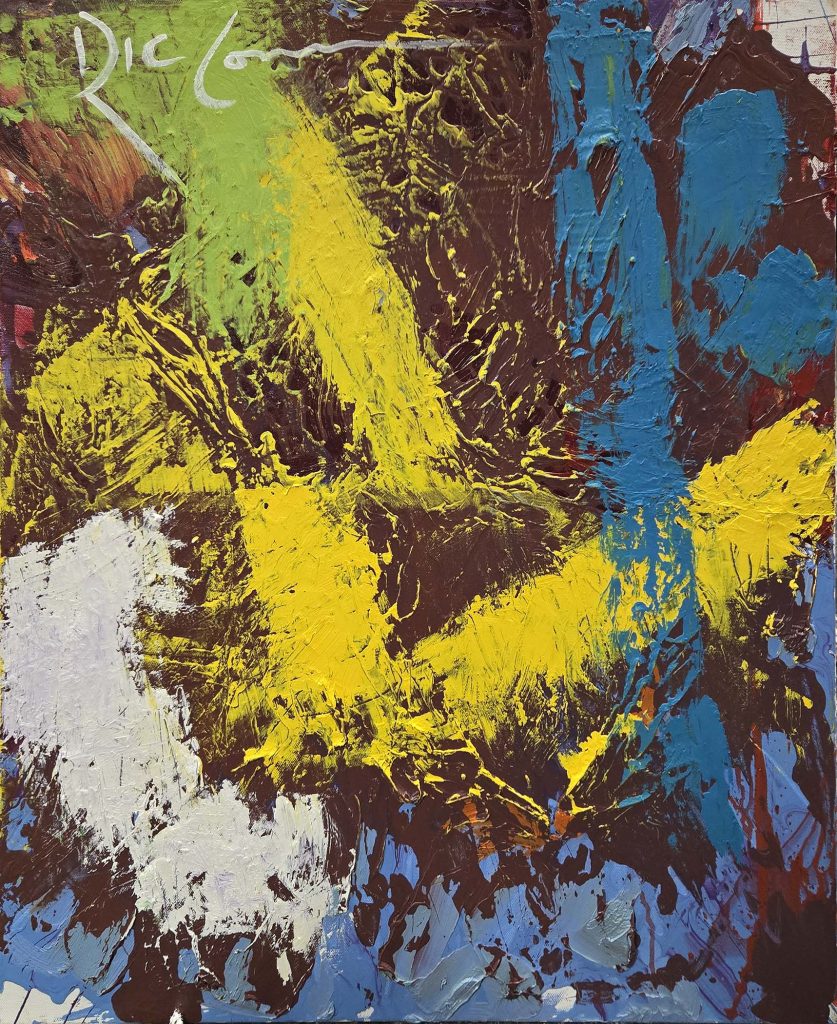
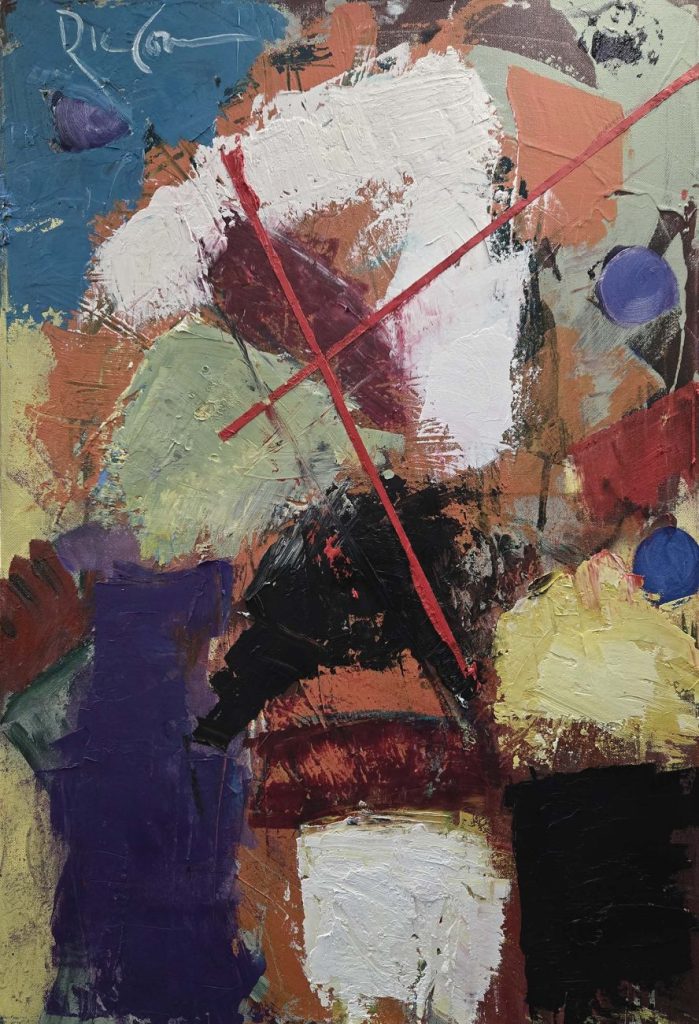
American artist Ric Conn, born in 1951 in Baltimore, Maryland, has developed a distinguished career as an internationally recognized expressionist painter. Educated at institutions including the Corcoran College of Art, the Maryland Institute College of Art, and Anne Arundel Community College, Conn built his artistic foundations through formal study in drawing and painting, while also pursuing workshops in wildlife painting. Over decades, his practice has evolved into a socially engaged form of expressionism that combines technical training with a resolute commitment to activism.
Conn’s career is marked by a prolific exhibition history, with solo and group shows in cities such as Baltimore, Washington D.C., Manhattan, and Milan. His work has been featured in Art Tour International Magazine, Art in America, and Toscana Cultura Magazine, among others. He has received numerous awards, including the Leonardo da Vinci International Art Award, the Caravaggio International Art Award, and repeated recognition as “Master of Contemporary Art.” His achievements extend beyond the canvas into a reputation as an “Artivist,” using his platform to address women’s equality, empowerment, addiction, and mental health. Conn’s paintings are held in private collections across the United States and Australia.
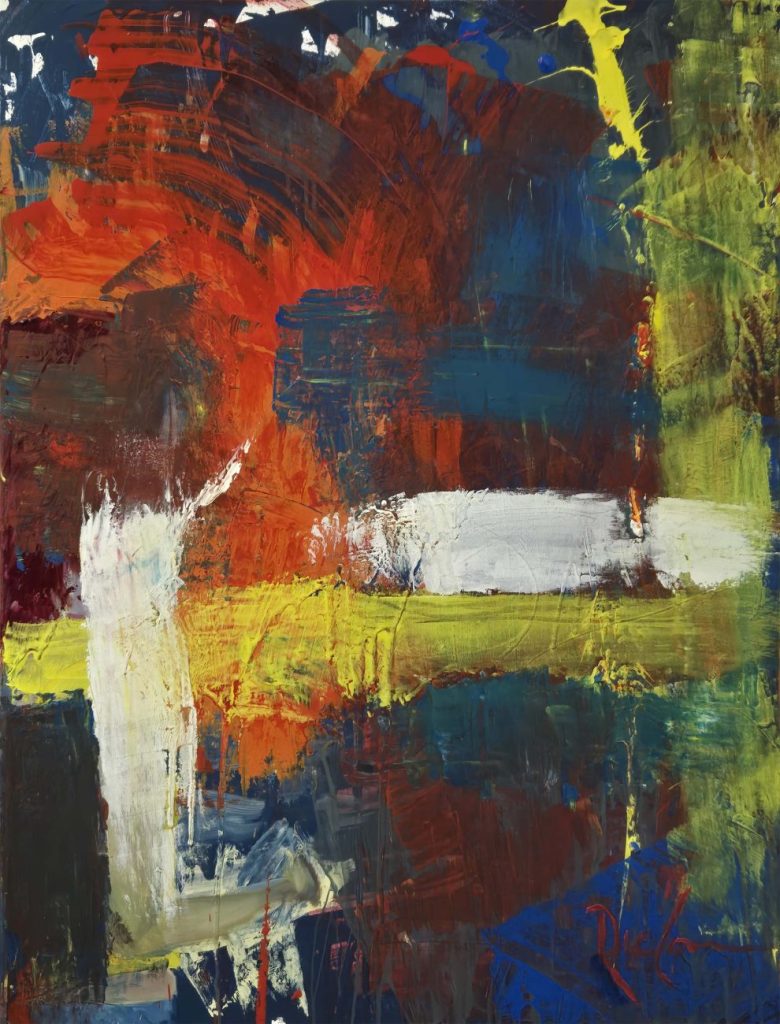
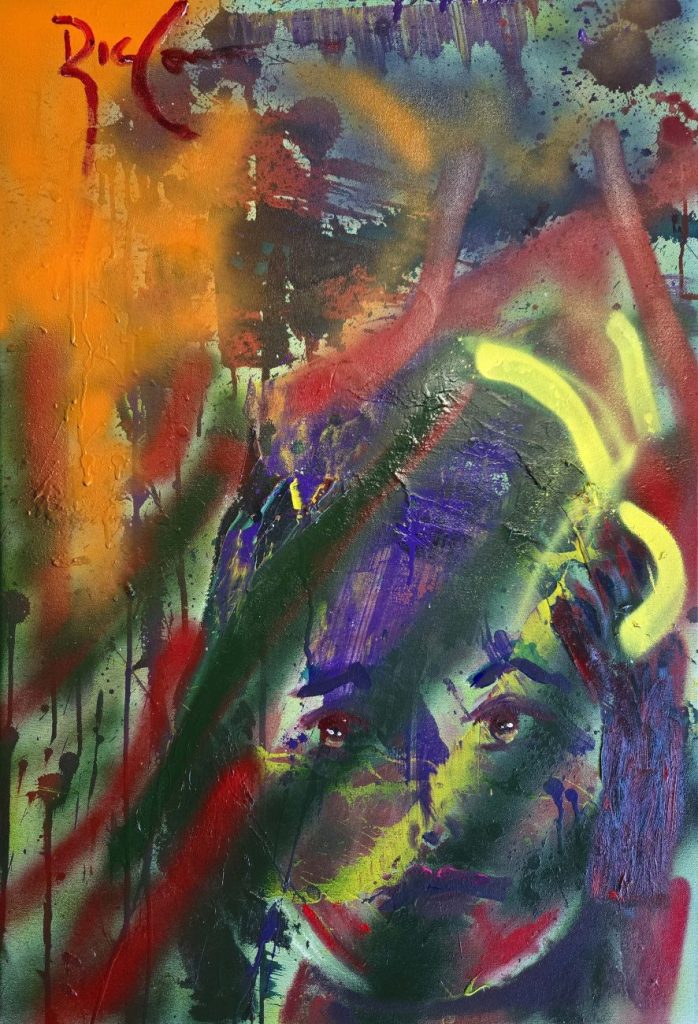
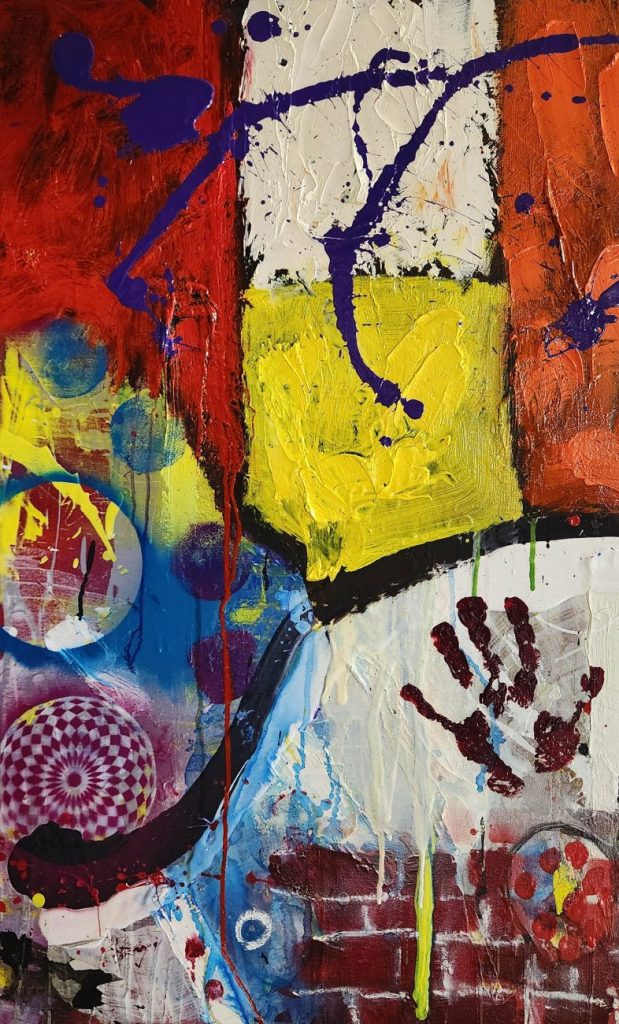
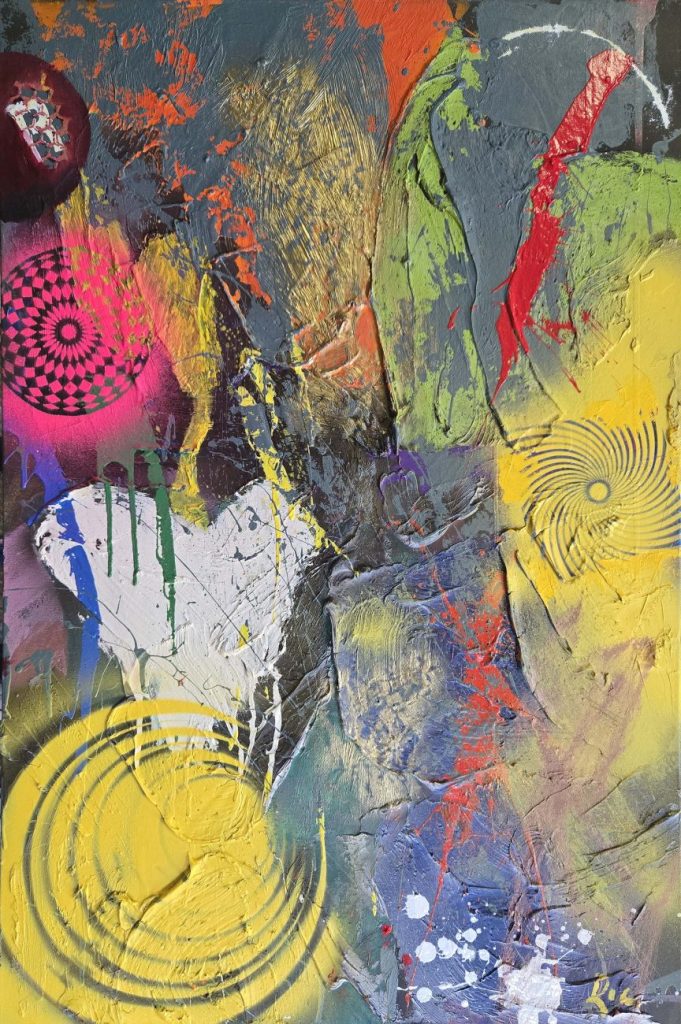
In works such as “Closing Time” and “Maelstrum,” Conn’s vigorous brushwork and textured surfaces carry the physicality of action painting, recalling the urgency of Abstract Expressionists like Willem de Kooning and Joan Mitchell. At the same time, his palette—ranging from deep crimsons and violets to stark whites and luminous yellows—creates a visual tension that mirrors the social struggles his art seeks to illuminate. His paintings resist passive viewing; the layered strokes, drips, and sudden gestures pull the viewer into a space where beauty and unrest coexist. This quality is heightened in pieces like “Longing” and “Psuche,” where the interplay of symbolic imagery and abstraction conveys states of vulnerability, confrontation, and resilience.
What distinguishes Conn’s practice is his refusal to separate aesthetic innovation from social responsibility. By transforming expressionism into a vehicle for cultural critique, he situates his work within a lineage of artists who wield painting as a political instrument while preserving its capacity for emotional resonance. Conn’s canvases offer a space where color and form are not merely formal exercises but become weapons of conscience, challenging audiences to engage with urgent questions of justice and humanity. In this way, his art contributes not only to the ongoing evolution of contemporary expressionism but also to the broader dialogue on how painting can continue to shape awareness and change.