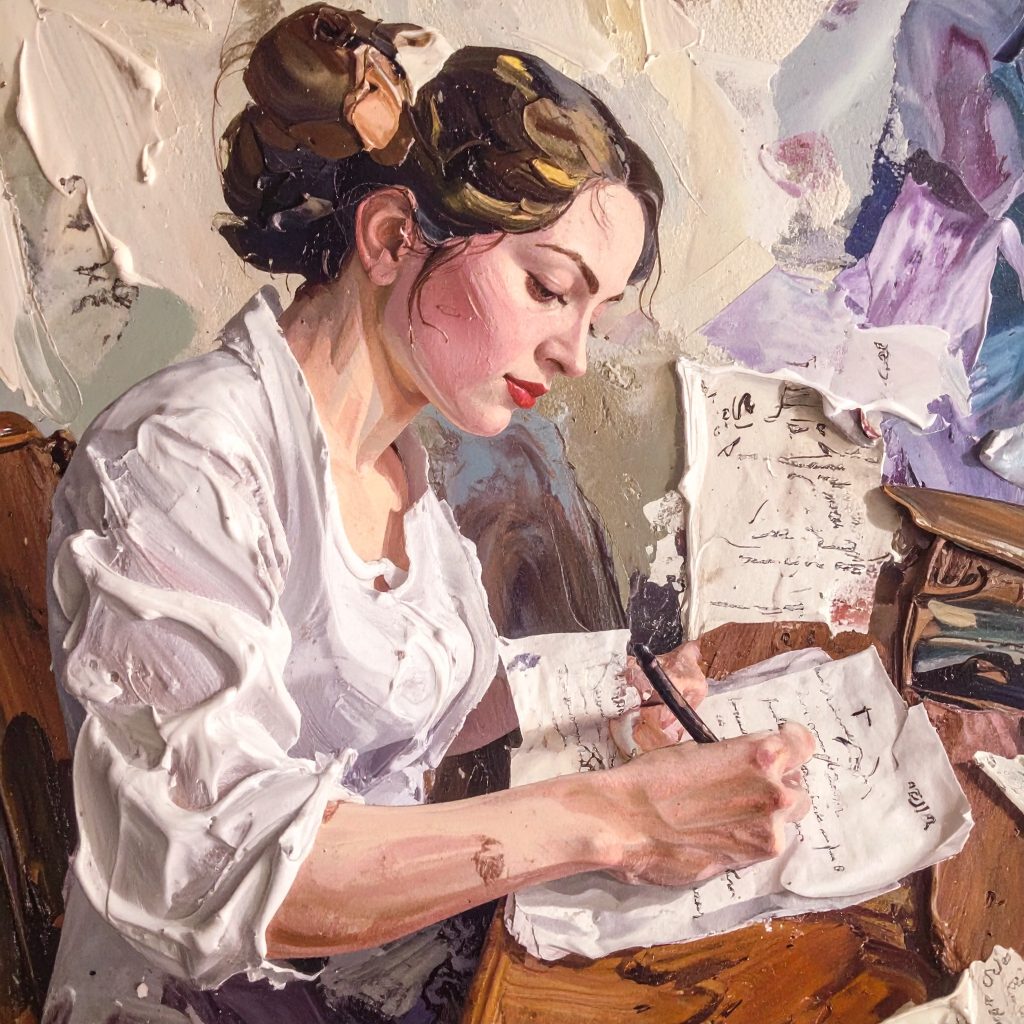
In an art world increasingly shaped by digital visibility, funding applications, and curatorial frameworks, the artist statement occupies a paradoxical space—simultaneously essential and often misunderstood. It is both a literary supplement to visual practice and, at times, a psychological hurdle for artists trained to privilege form over text. Yet, this brief document remains one of the most direct ways to translate intention into access, bridging the internal logic of a studio practice with the external logic of institutions, critics, and collectors.
Historically, the artist statement as we know it is a relatively modern invention. The rise of conceptual art and institutional critique in the late 20th century brought language to the forefront of artistic production, and with it, a demand for self-contextualization. Artists were no longer just makers but thinkers, required to articulate frameworks and motivations. Today, this expectation remains—but so does the fatigue. The challenge, then, is not to master art-speak, but to write with clarity, precision, and sincerity.
An effective artist statement resists both abstraction and oversimplification. It should situate the work within broader cultural or formal concerns while remaining true to the artist’s voice. It must navigate the gap between the personal and the universal, offering readers a lens through which to enter the work without reducing it to mere explanation. Artists should treat this text not as a defense, but as an extension of their practice—another form of mark-making.
The best statements allow the visual and verbal to coexist in a state of generative tension. They avoid overstatement, resist clichés, and invite interpretation without dictating it. In a world inundated by content and rapid impressions, the artist statement remains one of the few places where an artist can slow the viewer down, creating space for attention and understanding.