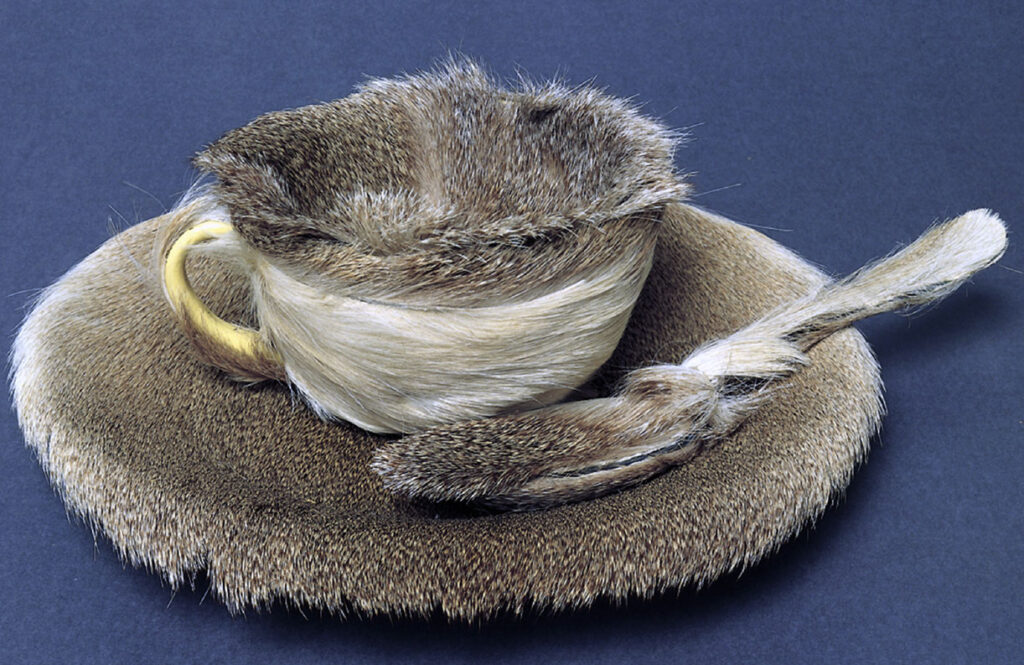
Art, ever fluid and transformative, has continuously adapted to the rhythms of human civilization. From the reverent brushstrokes of the Renaissance to the experimental provocations of contemporary avant-garde, art reflects the shifting values, beliefs, and aspirations of its time. It is a vibrant thread woven into the fabric of history—an enduring testament to the human desire to understand, express, and transcend.
At its core, art is a medium of expression and communication. It offers a profound outlet through which individuals translate emotion, thought, and lived experience into visual, auditory, or tactile form. Whether through the cadence of poetry, the precision of a sculptor’s chisel, or the spontaneity of a painter’s gesture, art becomes a universal language—one that speaks across cultures and generations, connecting people through shared human experience.
Art also serves as a mirror to society. It reveals its triumphs and traumas, its ideals and contradictions. In doing so, art has the capacity to challenge dominant narratives, provoke difficult questions, and amplify voices that are too often silenced. From stirring imagery of social unrest to conceptual installations that subvert expectations, art compels viewers to engage critically, to feel deeply, and, at times, to envision change.
Yet, beyond its role as a vehicle for critique and reflection, art provides beauty, stillness, and solace. It invites us into moments of wonder, offering refuge from the noise of daily life. Through tranquil landscapes, harmonious compositions, or sublime performance, art nurtures the human spirit and reawakens our capacity for joy, contemplation, and awe.
Crucially, art also preserves. It functions as a record of civilizations, cultures, and personal histories. From ancient petroglyphs to digital media, art carries with it the imprints of time and identity—ensuring that stories, rituals, and worldviews are not lost, but passed down, remembered, and reinterpreted.
The purpose of art is therefore multifaceted: it expresses, reflects, provokes, comforts, and preserves. It challenges as much as it heals. And central to this dynamic force is the artist—the visionary who channels emotion and thought into form, serving both as a cultural custodian and creative pioneer.
Galleries play an essential role in this ecosystem, shaping public access to art and fostering dialogue through thoughtful curation. Collectors, too, contribute by safeguarding artistic legacies and sustaining the creative economy. And at the heart of the art experience is the viewer, whose interpretation completes the work—bringing personal memory, emotion, and perspective into the encounter.
In essence, art stands as a beacon of our shared humanity. It opens doors to empathy and understanding, sparks imagination, and reminds us of the profound interconnection between all people. To engage with art is to participate in a centuries-old conversation—one that continues to evolve, challenge, and inspire.