Few arenas better capture the paradoxes of the contemporary art world than the art fair. These sprawling, carefully branded, and often spectacular events promise exposure, access, and sales—but also demand financial risk, physical stamina, and aesthetic diplomacy. For independent artists operating without gallery representation, fairs can appear as both a rare opportunity and a high-stakes gamble. Should you participate? The answer is neither simple nor singular—it depends on what kind of artist you are, what kind of art world you want to inhabit, and how wisely you choose your opportunities.
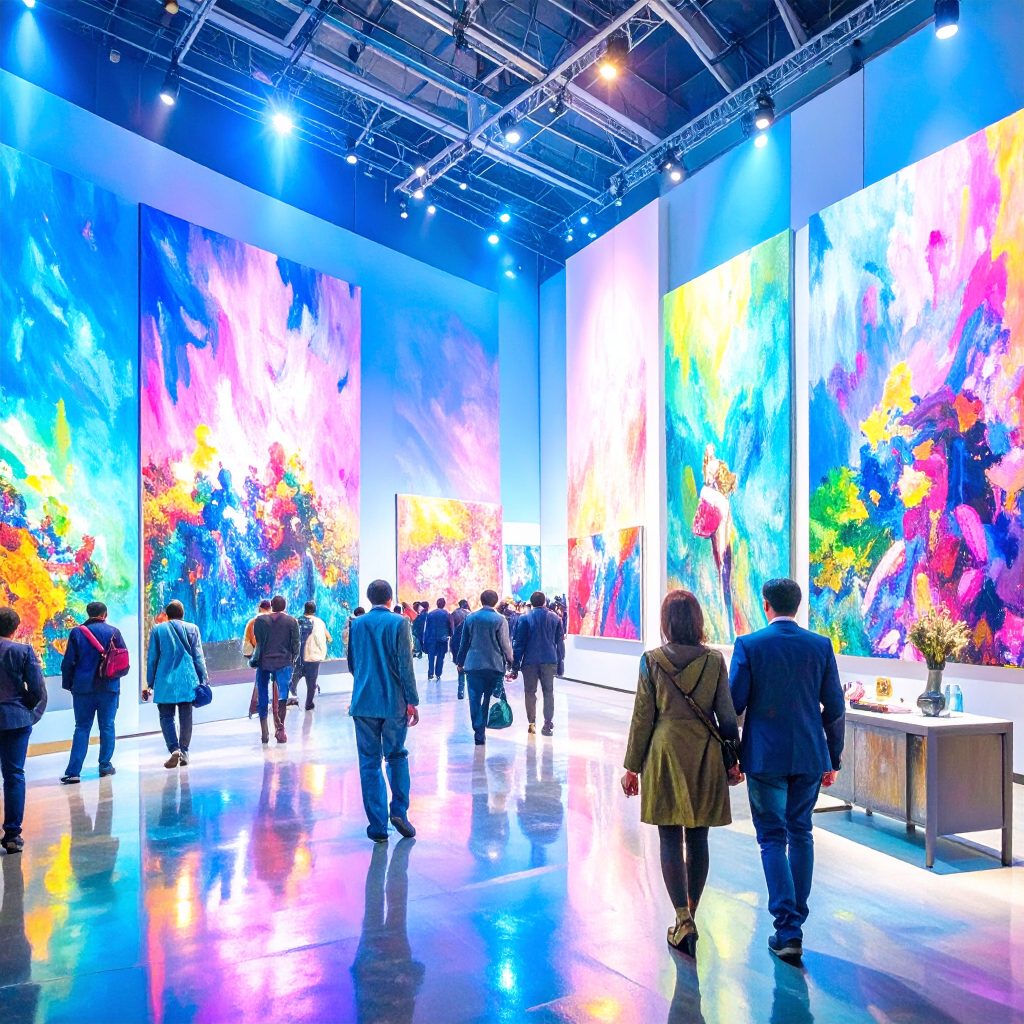
Art fairs have long functioned as commercial hubs, condensing the year’s market activity into a few intensely programmed days. But over time, they’ve evolved into cultural spectacles—where sales figures coexist with curated booths, critical panels, social media moments, and collector dinners. For an artist to take part directly—either through self-representation or as part of a pop-up collective—requires more than just artistic merit. It requires strategy, financial investment, and logistical acumen.
And the costs are real. Booth fees often run into the thousands. Add transportation, framing, insurance, lodging, and shipping, and participation can quickly become unaffordable for the average independent artist. The preparation alone—selecting, packaging, installing—demands weeks of effort. And even then, there is no guarantee of return. Fairs are saturated environments; visibility does not always translate into sales, representation, or long-term interest.
That said, a well-chosen fair can be a significant opportunity. The key is discernment. Artists must do their research—study past editions, assess visitor attendance, and ask questions about the organizers. What kind of audience does the fair attract? Is the focus commercial, experimental, or institutional? Are the other exhibitors aligned with your aesthetic and market? Speaking with past participants can offer invaluable insights. Not every fair is worth your energy—but the right one can serve as a launchpad, not just a sales floor.
Importantly, participation no longer has to mean shipping physical work across the globe. Increasingly, fairs offer digital display options—screen-based presentations of selected works, often curated and branded alongside the physical booths. While this doesn’t replace the tactility of the object, it offers a more cost-effective and sustainable route to visibility. For artists early in their career or working across digital media, this can be an ideal entry point. The costs are lower, the logistical burden is lighter, and your work still reaches a global, professional audience.
Ultimately, art fairs are not just about sales; they are about position. They are performative spaces—of aesthetic, cultural, and economic negotiation. When approached with intention and clarity, a fair can be more than a booth: it can be a statement. One that places your work, and your practice, into the live and unfolding conversation of contemporary art.