
It is a question many artists ask themselves. With so many platforms, trends, and changing algorithms, it is easy to feel overwhelmed. You might think: it takes too much time, everything moves too fast, I don’t know how to do it right, and honestly, are people really buying art online? These are fair concerns, and they reflect the uncertainty many creative professionals face when navigating the digital landscape. But despite these doubts, posting your art online can be one of the most rewarding and strategic choices you make for your career. The key is to be selective and intentional. You do not need to be everywhere, just present in the right places. Portfolio websites and curated platforms designed specifically for artists can make the process easier, more manageable, and more effective.
The greatest benefit of posting your work online is increased visibility. While your physical studio might be tucked away in a small town or a big city loft, your online presence allows your work to travel the world. Curators, collectors, and art lovers often begin their search for new artists online. If you are not there, you are simply not part of the conversation. You might not see instant sales, but visibility often leads to meaningful opportunities: exhibition invitations, press features, collaborations, and eventually, collectors who connect with your work over time.
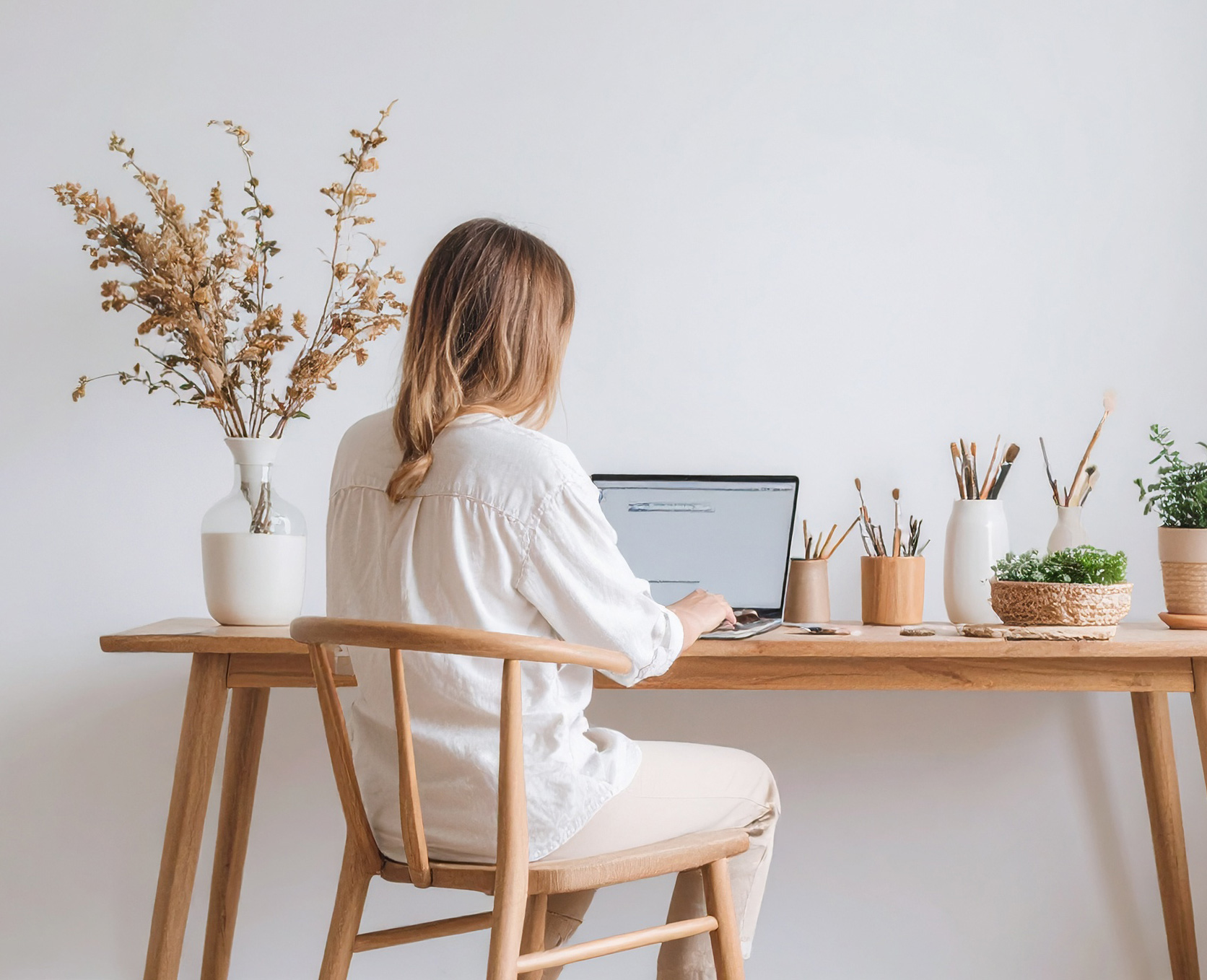
Creating a professional website remains one of the most important steps. It does not need to be elaborate. A clean, updated, easy-to-navigate website acts as your digital studio. Include your biography, artist statement, high-quality images of your work, and a way to contact you. Your website is where you shape your narrative and present your practice on your own terms. It helps build trust with people who might be interested in working with you, even if they find you elsewhere first.
In addition to your own website, placing your work on three to ten carefully chosen curated platforms can help you reach wider audiences. These can include online galleries, juried directories, and publications that support professional artists. Choose platforms that are visually clean, actively maintained, and aligned with your medium or audience. Do not waste time on uncurated, overcrowded sites. Instead, invest in spaces that present artists with respect and clarity. Even if sales do not happen immediately, these placements build your visibility, reputation, and long-term market value.
Take a few simple precautions to ensure your online presence is both safe and effective. Upload high-quality images, but resize them for web so they cannot be easily reproduced. Watermark if needed, especially on public or non-curated sites. Include copyright information and always read the terms of use before submitting to a platform. Keep your contact information updated and make sure your tone is professional. Most importantly, remember that not every site is worth your time, do your research and invest in the ones that treat artists like professionals. With these basic steps in place, posting your art online becomes not just manageable, but powerful.