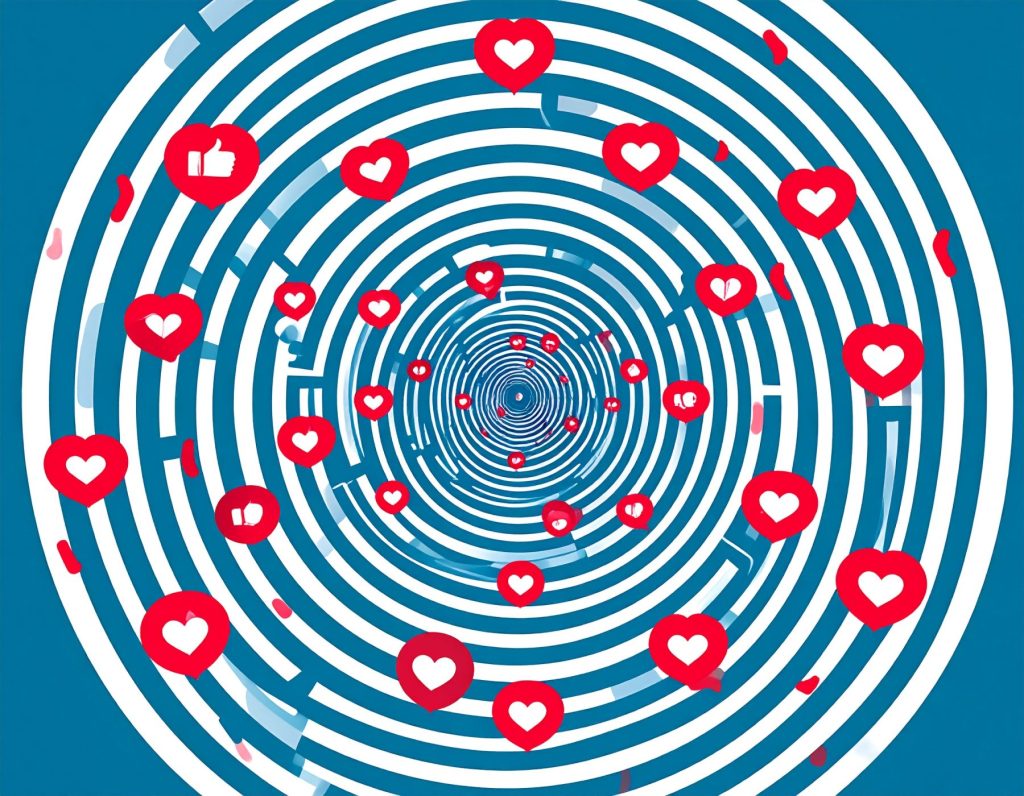
Instagram remains one of the most powerful platforms for artists to showcase their work, build a following, and connect directly with collectors, curators, and peers. But for all its promise, the platform is also a shifting algorithmic labyrinth—one that can easily drain your time, energy, and budget if not approached with care. In an era where visibility is both currency and illusion, it’s worth revisiting what actually works, what’s worth paying for, and what’s best avoided.
Let’s begin with the obvious: should you pay to promote your posts? The answer is nuanced. Yes, ads can be effective—but only if you’re strategic. Instagram’s ad platform allows you to target users by interest, location, demographics, and behavior. This is useful if you’re promoting a specific event, launch, or sale. However, boosting a post without narrowing your audience is a waste of money. Worse, once you start paying, Instagram’s algorithm may reduce your organic reach, nudging you to keep paying to maintain visibility. The platform’s business model is engagement and ad revenue; it is not designed to prioritize artists unless they become customers.
Don’t play the game Instagram wants you to play. The algorithm is constantly changing—favoring reels one month, carousels the next, or prioritizing content that keeps people scrolling. If you chase every trend, you risk diluting your identity. The best long-term strategy is consistency and authenticity. Post regularly, yes—but post with purpose. Share finished work, behind-the-scenes process, thoughtful captions, and your genuine voice. Think of your feed as an evolving portfolio—not a popularity contest.
Artists are often approached by pages offering paid mentions or features. These accounts boast tens or hundreds of thousands of followers and promise exposure in exchange for a fee. Most of these offers are scams or vanity traps. Many of these pages are powered by fake followers, bot farms, or engagement pods—and while your post might get a few likes, it won’t translate into real visibility, sales, or credibility. Only consider paid mentions if the page is a legitimate business, with verifiable reach, curated content, and a track record in your niche. Do your homework: check comments, engagement ratios, and whether real artists follow or endorse the account.
The same skepticism applies to collaborations and brand offers. Pages with massive followings—often upwards of 200k—aren’t automatically trustworthy. Many inflate their numbers to appear authoritative. A truly valuable partnership comes from alignment: your art, their audience, and a shared sense of authenticity. Numbers alone aren’t a guarantee of reach.
Instagram is a tool, not a measure of success. Use it to tell your story, show your work, and connect on your own terms. Don’t mistake algorithms for algorithms of value. Your most powerful asset on the platform isn’t a trend, a reel, or a viral moment—it’s your voice, your vision, and your consistency. Build slowly, stay intentional, and treat social media as an extension of your practice—not a replacement for it.