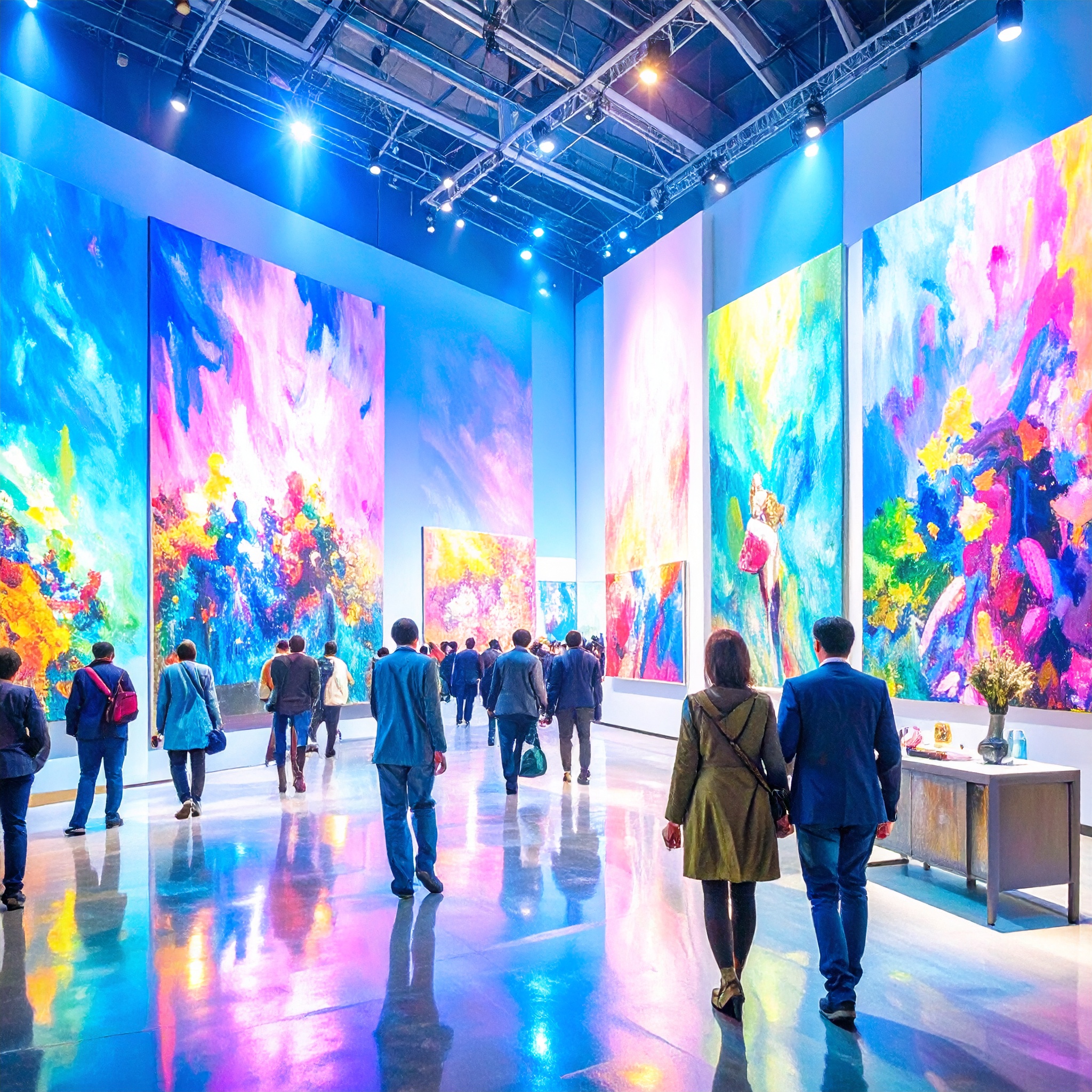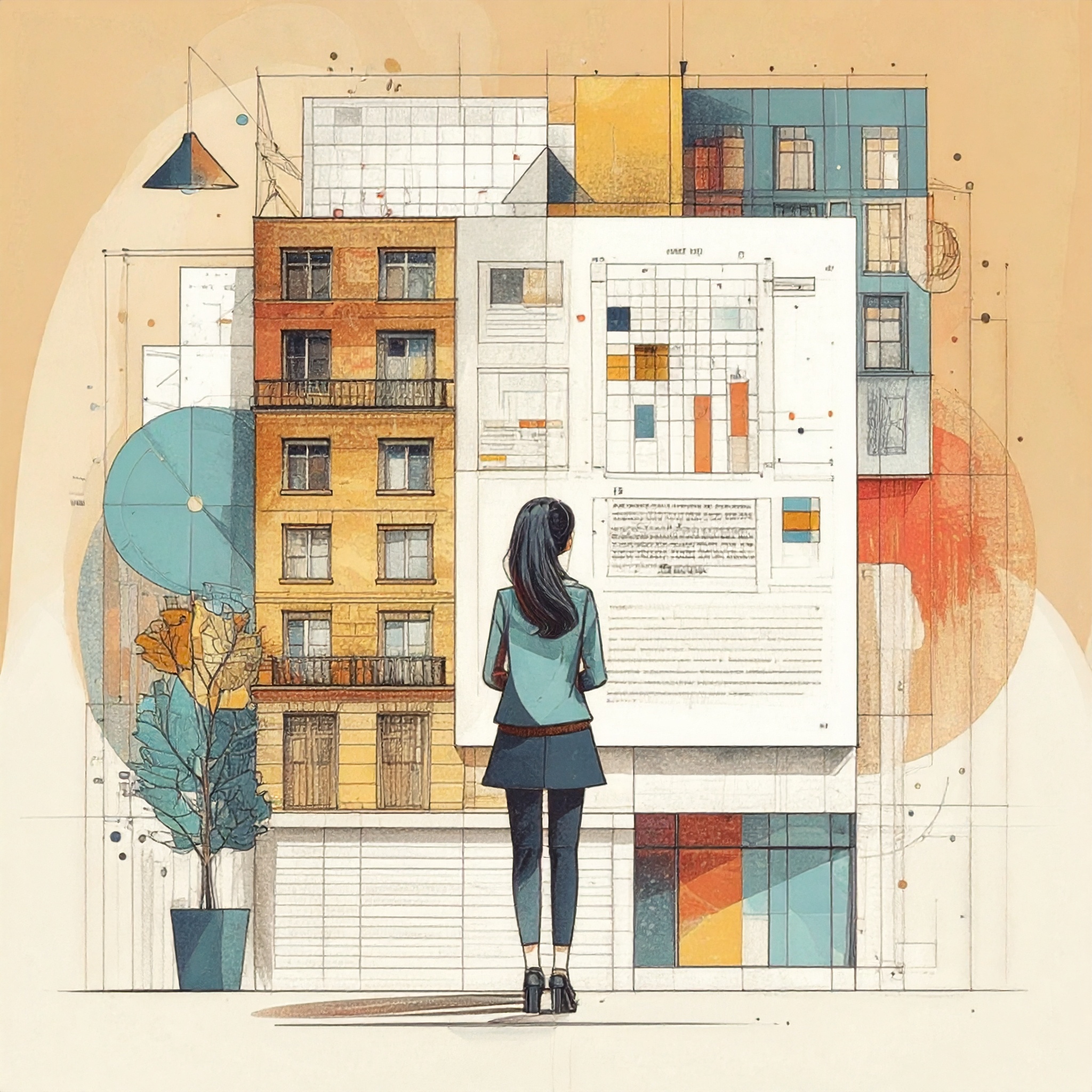

To exhibit is to translate: the transition from the privacy of the studio to the formality of the gallery space transforms not only the work, but how it is perceived. In the controlled, codified space of the white cube, art is elevated—and scrutinized. For artists, preparing for exhibition is not simply about selecting pieces and hanging them; it is a deliberate curatorial act, demanding both technical precision and conceptual clarity.
First, the physical condition of the work must meet the standards of professional presentation. Whether painting, sculpture, or mixed media, each piece should be properly finished—edges clean, surfaces protected, installation hardware secured. Framing is not just a decorative gesture but a structural and archival one. Poor presentation can undermine even the most conceptually robust works, signaling a lack of care that curators and collectors are quick to notice.
Equally critical is the internal logic of the selection. What narrative do the works form in space? What relationships are created between scale, color, medium, or theme? Artists should approach exhibition as a spatial essay—each work a paragraph, each wall a chapter. Test hanging, mock-ups, and curatorial input are all tools to refine the reading experience. Avoid overcrowding; allow each work room to breathe.
Accompanying materials—artist statements, wall texts, price lists—must also be treated with equal thoughtfulness. These documents are often the first point of contact for visitors and press. The language should be direct, conceptually grounded, and void of redundancy. Avoid telling the viewer what to feel; instead, offer frameworks for deeper engagement. In addition to exhibition-specific texts, bring printed materials that support your broader career context—copies of publications, catalogues, or magazines in which your work has been featured. These not only add weight to your presence but demonstrate professional recognition and continuity within the field.
An exhibition is not just an event—it is a contract with your audience. It invites viewers to step into your world and asks them to stay. Respect their time, their attention, and their intelligence. When done well, the translation from studio to white cube is not a compromise—it is a revelation.